










Breaking News
 As Bibi Comes Back To DC, Trump's Out Of Options For Iran
 BOMBSHELL: Investigative Reporter Claims Dozens of American Journalists Are on China's Payroll
 The Odyssey, Shiloh Hendrix & the Humiliating Destruction of Western Culture | Sunday w/ Seth
 Awkward: Trump Hails 'Tremendous' Ally Turkey, Knocks Israel Before Hosting Netanyahu
Top Tech News
 Elon Vows AI-Made 'Odyssey' After Blasting Nolan's Take On Homer
 Anthropic is launching its own drug discovery programs for rare diseases using Claude...
 SpaceX AI Satellites Will Have 250 Kilowatts of Power
 Chinese researchers have developed a sodium-metal battery that can fully charge in just 4 minutes...
 SpaceX Starship Flight 13 in 3 Days - Thursday July 13
 Chinese Scientists Develop Nuclear Battery Using Carbon-14
 Teleoperated humanoid robots complete first-ever live surgery
 Floating capsule auto-disinfects water without chemicals or battery
 Modular Reactors To Solve Data Center Hysteria?
 DeepSeek Developing In-House AI Chip In Bid To Cut Nvidia Reliance



Feds Charge Atlanta Man Who Gave Border Agents 'Self-Destruct' Password For Phone
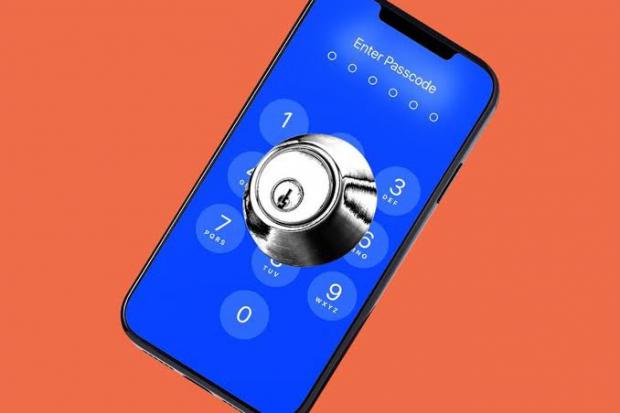
Samuel Tunick, an Atlanta resident and US citizen, was charged under 18 U.S.C. § 2232(a), which makes it a crime to destroy or damage property to prevent the government from seizing it. The offense carries up to five years. He has pleaded not guilty and is seeking to suppress the government's evidence, arguing the search and seizure that produced it were unlawful. A ruling is not expected before the end of October.
Tunick was returning from vacation on January 24, 2025, when Customs and Border Protection pulled him into secondary inspection at Hartsfield-Jackson Atlanta International Airport. According to his motion to suppress, agents demanded access to his phone on the stated suspicion that it contained child exploitation imagery, without offering evidence to support that suspicion. They told him they did not need a warrant because he had not yet crossed into the country - the government's long-standing position that arriving travelers are not on US soil until admitted.
His lawyers say he asked for an attorney repeatedly and was refused, and that he was never advised of his rights.
Tunick provided a passcode. An officer entered it. The screen went dark, flashed repeatedly, and the device restarted with its contents gone. Agents seized the phone anyway and told him he was free to enter the country.
The indictment, returned in the Northern District of Georgia, alleges he knowingly destroyed, damaged, wasted, disposed of or otherwise acted to delete the phone's digital contents in order to impair the government's lawful authority to take the property into its custody. The document contains the typo "Untied States Code."
At a hearing last Monday, a Justice Department attorney and the agents who ran the stop characterized the encounter as an ordinary airport inspection. They were looking for "anything that's prohibited," CBP officer Larry Findley testified.
What Preceded The Stop
Three hours before Tunick's plane landed, a Homeland Security agent circulated an email carrying his name and photograph and stating that he was under investigation for suspected terrorism activities. It went to agents on CBP's tactical terrorism response team and to an officer with the FBI's Atlanta joint terrorism task force, according to The Guardian, which first reported the case.