










Breaking News
 The AI Bird-Flu Scenario They Just Published
 Japan's first robot ambulance works the 9-1-1 lines for humanoids
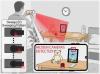 Cheap smartphone add-on pinpoints hidden cameras to shut down spies
 The $600 Tank That Beats a $10,000 Powerwall
Top Tech News
 Terrifying AI Behavior Even Its Creators Couldn't Explain
 WW3 Near-Miss? AI Hallucinated Nuclear Weapons Components Aboard Chinese Vessel Bound For Iran
 Stripe Is Building the Toll Road for the Machine Economy
 Toyota Dakar hopeful swaps twin-turbo V6 for hydrogen fuel cells
 4-min turbo-inflatable cubic camp castle is now available in the USA
 Researchers Used Claude To Hack OpenAI Employee Accounts
 Chinese Scientists Develop New Oil Refining Method That Cuts Energy Use by 90%
 World's smallest CT scanner fits in the palm of your hand
 The Tesla Roadster will blow people's minds
 Peter Thiel-Funded Company Anduril to Triple the Number of Autonomous Surveillance Towers...



COVID Vaccine in Early Pregnancy Led to Higher Rates of Two Birth Defects
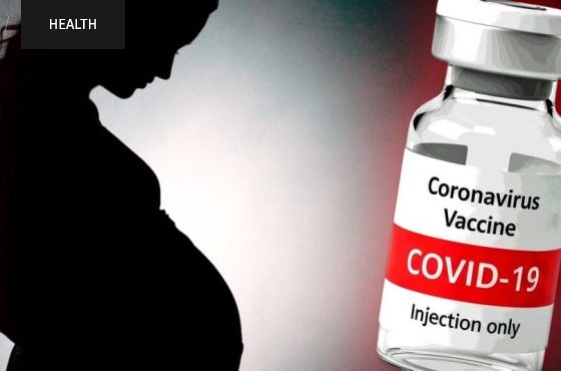
A new study from Iran found that two rare birth defects - atrioventricular septal defects (AVSD) and cleft palate - occurred more often in infants whose mothers received a COVID-19 vaccine during the first 12 weeks of pregnancy compared with mothers who received the vaccine later or not at all.
Unlike studies conducted in the U.S. and Europe, none of the women in the Iranian study received mRNA vaccines — however, all of the COVID-19 vaccines available in Iran contain 0.25-0.50 milligrams of aluminum adjuvant, Children's Health Defense Senior Research Scientist Karl Jablonowski told The Defender.
Shots containing aluminum are not typically recommended for pregnant women in their first trimester, Jablonowski said.