










Breaking News
 Smotrich Says Israel Has Plans Drawn Up To Establish Three Jewish Settlements in Gaza...
 Virginia's New Gun Laws are Already Costing Jobs
 FARA Docs: Israel is Spying On Millions Of Christian Americans In Their Churches
 Grand Theft World Podcast 293 | Neocon Maga Zombies with guest Matthew Ehret
Top Tech News
 World's first hotel entirely staffed by robots to open in 2027
 Researchers in China are ignoring bug spray, citronella, and netting.
 Our bodies may be able to regrow lost limbs after all
 Chinese cars go blacker than black via hybrid nano tech
 World first: Human embryo model grows its own organs – in the lab
 Dead lithium batteries revived to 95% capacity via electrochemical bath
 Compact laser engraver levels up your DIY crafts setup
 'Groundbreaking' Potential Lupus Cure Sends Patients into Remission, Allowing Dreams...
 Speculations on What Could Show Physics Beyond the Standard Model
 SpaceX Orbital Travel and Orbital Hotels Need Starfall – Getting Back Safe and Cheap is Exciting



Dead lithium batteries revived to 95% capacity via electrochemical bath
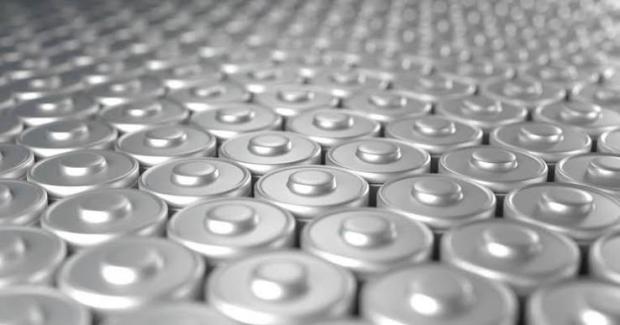
Unlike conventional battery recycling methods that involve the complete physical destruction of batteries, followed by complex, energy-intensive recovery processes to extract critical battery-making materials, the scientists' method recycles lithium-ion battery electrodes directly. Rather than breaking down structurally intact electrodes to extract materials that will make other electrodes, their approach regenerates the existing electrodes using an electrochemical solution.
The researchers say this method restored batteries to 95% of their original capacity, and even helped recycled batteries last longer. According to them, the method could also slash recycling costs by 56% while being more environmentally friendly.
As lithium-ion batteries age, a layer called the solid electrolyte interphase (SEI) gradually grows on the electrodes. A thin SEI layer is actually necessary for battery operation. However, over hundreds or thousands of charge cycles, it becomes thicker and thicker, increasing resistance and reducing battery capacity. This phenomenon is one of the foremost drivers of battery wearout, leading to EV batteries and stationary electricity storage systems being retired with much of their structure still intact. This structure includes the now-coated electrodes, which contain critical minerals such as lithium, nickel, cobalt, manganese, copper, and aluminum.