










Breaking News
 What would happen if US actually cut off military aid to Israel?
 It's over for South African tyrants. Trump just signed their death warrant…
 'Two UN agencies plan to tax global shipping & aviation for their greenhouse gas emissions'.
 Speculations on What Could Show Physics Beyond the Standard Model
Top Tech News
 World's first consumer wing-in-ground effect aircraft takes flight
 America's Military Readiness Depends On Deployable Nuclear Power
 License Plate Cameras Are About To Start Tracking A Lot More Than Just Your Car
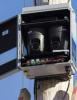 Heads up: Apparently the government is hiding cameras inside fake utility boxes
 Sodium Batteries And EVs That Power The Grid: Inside GM's Big Energy Push
 NUCLEAR ENGINE - UNLIMITED LUXURY - 20 YEARS WITHOUT REFUELING
 China Unveils Nuclear-Powered Floating Hub For Green Shipping
 China Launches World's 1st Commercial Brain Chip, Beating Elon Musk's Neuralink!
 Modular next-gen US nuclear reactor goes critical
 How EMF's cause disease


China Gold Imports Soar To Two Year High, As Hong Kong Gold Bar Imports Surge Ahead...
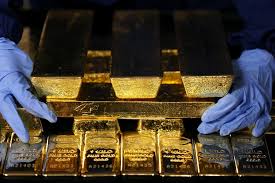
China's monthly gold imports reached their highest in more than two years in May, showing the world's biggest buyer's appetite for bullion remained resilient as prices remained under pressure; the number prompted some to scratch their heads as to where all this gold is going in light of tepid official central bank purchases, coupled with the lowest gold withdrawals from the Shanghai Gold Exchange since the covid outbreak.
As Bloomberg reports, imports were around 163 tons last month, the highest since March 2024, according to customs data released on Saturday. Volumes for the first five months of 2026 were about 692 tons, up by about 76% from a year earlier.
Chinese demand for physical bullion bars, as well as metal linked to gold accumulation plans (low-barrier products that allow investors to buy gold incrementally), have been among the main drivers of the surge, said Song Jiangzhen, a researcher at the Guangzhou Southern Gold Market Academy.
China also started implementing a new import licensing regime for gold from June 1, with certain banks facing fewer restrictions. But the change may have prompted some banks to use up their existing quotas before the new system began, Song said.
Curiously, in its latest official monthly update, China's central banb, the People's Bank of China (PBoC) only increased its gold reserves by nearly 10 tonnes last month, its 19th consecutive month of bullion purchases. The State Administration of Foreign Exchange (SAFE) announced on Sunday that China's official gold reserves rose by 320,000 troy ounces or 9.95 tonnes in May to a total of 74.96 million troy ounces or 2331.52 tonnes.
China's total foreign exchange reserves rose to $3.4422 trillion at the end of May, increasing by $31.7 billion or 0.93% from April. This is the highest level for China's FX reserves since November 2015; they have remained above $3.3 trillion for the past 10 months.
SAFE attributed the growth of reserves to a number of factors, including a firmer US Dollar Index and rising global asset prices, adding that China's sound economic momentum has underpinned the stability of its reserves.
Experts have noted that China's rising foreign exchange reserves are closely linked to the country's export performance. China's total foreign trade in the first four months of 2026 rose to $2.39 trillion, an increase of 14.9% year-on-year, with exports rising by 11.3% percent to $1.37 trillion and imports rising 20% percent to $1.01 trillion, according to the latest data from China's General Administration of Customs
According to the latest central bank gold purchase tracker from Goldman, of the 59 tonnes of gold purchased by central bank in April, China's PBOC was estimated to have bought 24 tonnes of gold, or well below the recent pace of imports which are about 5x greater. While the pace of central bank gold purchases has moderated to ~50 tonnes/month on a 3-month (seasonally adjusted) and 12-month moving average basis, Goldman views the ongoing diversification trend as structural.