










Breaking News
 Your Car Was Never the Target
 JUST IN: Tucker Carlson Joins Alex Jones LIVE At 1PM CT To Break MASSIVE NEWS!
 The Evil Within, Part 1: The National-Security State
 Europeans Visiting U.S. for World Cup Fall in Love with America: 'The Most Wonderful People...**
Top Tech News
 World's first consumer wing-in-ground effect aircraft takes flight
 America's Military Readiness Depends On Deployable Nuclear Power
 License Plate Cameras Are About To Start Tracking A Lot More Than Just Your Car
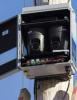 Heads up: Apparently the government is hiding cameras inside fake utility boxes
 Sodium Batteries And EVs That Power The Grid: Inside GM's Big Energy Push
 NUCLEAR ENGINE - UNLIMITED LUXURY - 20 YEARS WITHOUT REFUELING
 China Unveils Nuclear-Powered Floating Hub For Green Shipping
 China Launches World's 1st Commercial Brain Chip, Beating Elon Musk's Neuralink!
 Modular next-gen US nuclear reactor goes critical
 How EMF's cause disease


AI Data Center Backlash | The HighWire Episode 477

The United States already has over 4,000 data centers, more than eight times the number in second-place UK and Germany, and more than ten times China's count, which makes the "compete with China for AI supremacy" argument difficult to sustain.
A single proposed project in Box Elder County, Utah, the Stratus Project backed by Kevin O'Leary, would cover an area more than twice the size of Manhattan and require nine gigawatts of power, more electricity than the entire state of Utah currently consumes, with water consumption estimates ranging from two to sixteen billion gallons per year. The approval came from three county commissioners in a 3-to-0 vote. There was no public referendum.
When Tucker Carlson pressed O'Leary on why the actual residents of the county never got to vote, O'Leary's answer was that getting three commissioners on board was how the process works and that expediting approval prevented the project from going elsewhere. The residents of Lake Tahoe, meanwhile, have been told to find a new power source because the energy lines serving their community are being redirected to data centers.
The political backlash is accelerating everywhere. Over 660 groups in New Jersey have called on the governor to immediately pause all AI data center projects, cutting across environmental, labor, and community organizations on both sides of the aisle.
Ron DeSantis signed SB 48 in Florida, capping electricity cost pass-throughs to consumers, protecting water supply access, and preserving local government authority over data center siting. Wisconsin became the first state to hold an anti-data center referendum, giving residents a direct vote rather than delegating the decision to a handful of elected officials. Pennsylvania, Virginia, and Georgia all have contested races where data centers are becoming a central issue, with strategists on both sides warning the topic can no longer be avoided.
The jobs argument is not holding up: a ten billion dollar data center may employ 300 people. The same investment in manufacturing would support thousands.
AI chatbots have already been documented as providing scientists with instructions for assembling biological weapons and pathogen-delivery methods, as reported directly by researchers to the New York Times. There are no guardrails. BlackRock CEO Larry Fink, speaking to fellow investors, expressed concern not about community impact or energy seizure but about protecting 75-billion-dollar data center investments from domestic terrorism using drones.
The people building this infrastructure know exactly what kind of reaction mass energy displacement produces in communities, and they are already planning for it.