










Breaking News
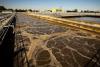 New technique radically boosts biogas yields from sewage sludge
 My Mother Completely Stole The Show | Peggy Rowe #483 | The Way I Heard It
 FUEL RATIONING! Chevron CEO Warns of "Physical Shortages"
 New York Mandates Kill Switch and Surveillance Software in Your 3D Printer ...
Top Tech News
 His grandparents had heart disease.
At 11, Laurent Simons decided he wanted to fight aging.
His grandparents had heart disease.
At 11, Laurent Simons decided he wanted to fight aging.
 Mayo Clinic's AI Can Detect Pancreatic Cancer up to 3 Years Before Diagnosis–When Treatment...
A multi-terrain robot from China is going viral, not because of raw speed or power...
 The World's Biggest Fusion Reactor Just Hit A Milestone
 Wow. Researchers just built an AI that can control your body...
 Google Chrome silently installs a 4 GB AI model on your device without consent
 The $5 Battery That Never Dies - Edison Buried This 100 Years Ago
 That is not a real fish. IT'S A ROBOT.
 Scientists Unveil Hemp Alternative to Plastic That Can Withstand Boiling Water...
 A Robot Economy: Who Gets Rich, Who Gets Left Behind


New technique radically boosts biogas yields from sewage sludge
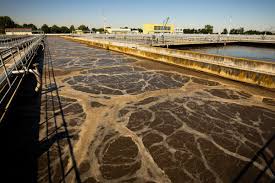
The researchers from Washington State University say they have developed a pretreatment step and a novel bacterial strain that together can triple the amount of extracted biogas from biowaste water, while slashing disposal costs by half.
According to the study published in the Chemical Engineering Journal, wastewater treatment facilities account for 3% to 4% of total electricity consumption in the United States. For context, the US Energy Information Administration reports that electric vehicle charging accounted for roughly 0.5% of total US electricity consumption in 2025! Conventional treatment processes also add about 21 million metric tons of greenhouse gases to the atmosphere annually.
The study notes that roughly half of the United States' nearly 15,000 wastewater treatment facilities use anaerobic digestion, a process in which microbes break down sewage sludge in oxygen-free conditions to reduce waste volume while producing biogas. Some facilities use this biogas to offset part of their electricity demand, helping lower the massive energy consumption associated with wastewater treatment.
However, conventional anaerobic digestion remains relatively inefficient, with the process typically converting less than 40% of the sludge's carbon into usable gas. Large amounts of carbon-rich residual sludge, known as biosolids, remain after digestion and often end up in landfills, where they can generate additional greenhouse gas emissions. Meanwhile, the biogas itself contains large amounts of carbon dioxide – often around 35% to 40% – reducing its direct usefulness as a fuel and requiring additional upgrading before it can be injected into natural gas infrastructure as renewable natural gas.
To address these limitations, the researchers developed a two-stage system called the Advanced Pretreatment and Anaerobic Digestion (APAD) process. Rather than discarding the residual sludge left behind after conventional anaerobic digestion, the system subjects it to an additional treatment stage known as Advanced Wet Oxidation and Steam Explosion (AWOEx).
During this process, the digested sludge is exposed to high temperatures, pressure, and controlled amounts of oxygen, helping to break apart resistant organic compounds that conventional digestion struggles to fully decompose. The treated sludge is then fed into a secondary anaerobic digestion stage, allowing microbes to extract additional biogas from material that would otherwise remain as waste.
In a separate downstream stage, the resulting biogas is upgraded into higher-purity renewable natural gas using a trickle-bed bioreactor containing a novel methanogenic bacteria strain, Methanothermobacter wolfeii BSEL (we know you didn't pronounce that). Fed with hydrogen, the microorganism biologically converts carbon dioxide in the biogas into additional methane, increasing the fuel quality of the final gas stream.