










Breaking News
 Evacuations begin as 'blockbuster' nor'easter barrels toward millions in 12 US states
 Trump's military prepares for Cuba as leaked Pentagon memo sends telling signal...
 Ford v. Hyundai: Henry Ford Must Be Turning In His Grave After New Report
 Switzerland Is Still The Most Expensive Place In The World To Eat Out
Top Tech News
 Tesla Model 3 killer charges from 10 to 97% in just 9 minutes
 World-first unpowered DNA computer sets speed record
 I Power 5 Buildings Off-Grid. Here's How
 The US government is pushing hard to get a working nuclear fission reactor into space by late 2028
 SpaceX Starmind AI in Space Radiator
 China Will Dominate Global Nuclear Energy Through 2035, Analyst Says
 These Absolutely Wild-Looking EVs Are Saudi Arabia's First Homegrown Cars
 BEYOND THE MOON: NASA plans a nuclear-powered fleet to push DEEPER into space
 Big Oil Backs Mazama's $135 Million Bet On Superhot Geothermal
 Quantum compass takes flight on Northrop's Lumberjack drone


"Terrain: The Workshops" on BrightU: Historical remedy reemerges...
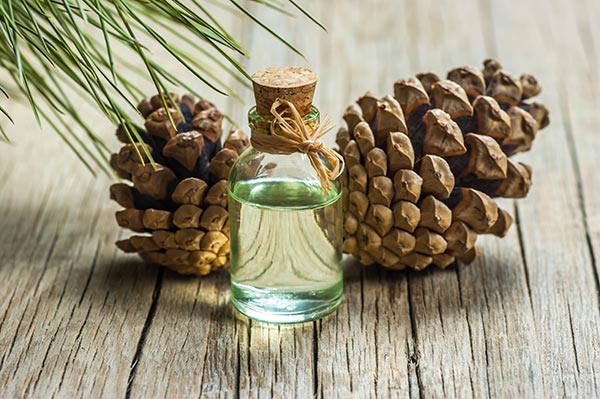
• On Day 7 of "Terrain: The Workshops," Andrew Kaufman argued pure gum turpentine is a potent solvent for detoxifying fat-soluble toxins stored in the body.
• He cited historical medical use and limited modern studies to support its safety and efficacy for various illnesses.
• Personal testimonials claim success in treating conditions like diabetes, cancer and infections.
• The protocol involves careful dosing and is presented as a cleanse to address root causes of disease.
• This approach remains controversial and outside conventional medicine, despite advocacy from proponents.
On Day 7 of "Terrain: The Workshops," aired on April 17, host Andrew Kaufman shared the truth about the pure gum spirits of turpentine. He argued that this distilled pine resin is a potent, misunderstood tool for detoxifying the body and addressing chronic illnesses, from diabetes to cancer.
The rationale hinges on a principle of basic chemistry: like dissolves like. Modern humans are burdened with an accumulation of fat-soluble toxins, including pharmaceutical drugs, persistent organic pollutants (POPs) like legacy pesticides and oxidized compounds from seed oils. These lipophilic substances are stored in the body's fatty tissues, including the brain, organs and subcutaneous fat.
"Many drugs are fat soluble. Those types of drugs tend to concentrate in the fatty tissues in our body," Kaufman explained, referencing pharmacokinetic data. He points to environmental bioaccumulation, where toxins concentrate up the food chain, as a key source of these stored pollutants. The proposed solution is a lipophilic solvent that can mobilize these stored toxins for elimination.