










Breaking News
 "No More Mr. Nice Guy": Trump Sends Witkoff To Pakistan For U.S.-Iran Talks...
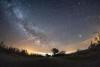 The Lyrid meteor shower is visible now and peaking soon. Here's how to spot it
 Expert Guts Claims That HPV Vaccine Reduces Cancer Risk
 Trump just put six chemical, fertilizer, and oil executives on the EPA's Science Advisory Board.
Top Tech News
 Researchers Turn Car Battery Acid and Plastic Waste into Clean Hydrogen and New Plastic
 'Spin-flip' system pushes solar cell energy conversion efficiency past 100%
 A Startup Has Been Quietly Pitching Cloned Human Bodies to Transfer Your Brain Into
 DEYE 215kWh LiFePO4 + 125,000W Inverter + 200,000W MPPT = Run A Factory Offgrid!!
 China's Unitree Unveils Robot With "Human-Like Physique" That Can Outrun Most People
 This $200 Black Shaft Air Conditions Your Home For Free Forever -- Why Is It Banned in the U.S.?
 Engineers have developed a material capable of self-repairing more than 1,000 times,...
 They bypassed the eye entirely.
 The Most Dangerous Race on Earth Isn't Nuclear - It's Quantum.
 This Plasma Stove Cooks Hotter Than The Sun


The Lyrid meteor shower is visible now and peaking soon. Here's how to spot it
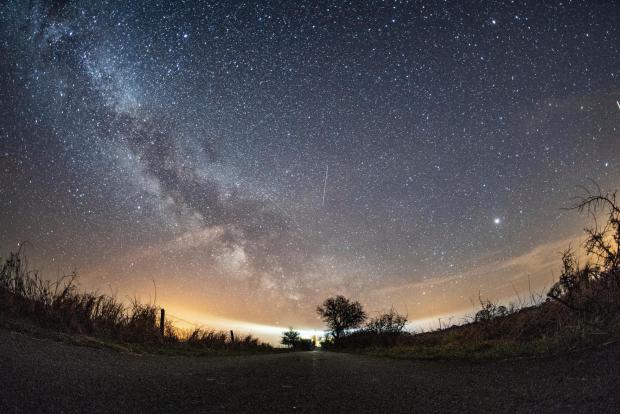
NEW YORK (AP) — This year's Lyrid meteor shower is getting a boost thanks to a dim crescent moon. Skywatchers could see 10 to 20 shooting stars per hour soar across the spring sky, according to NASA, when the fiery display peaks Tuesday night into Wednesday morning.
The show will be visible across the globe, but views will be best in the Northern Hemisphere. And there's no risk of the crescent moon photobombing the Lyrid shower. It'll set before the fun starts.
Meteor showers happen when the Earth plows through debris trails left behind by space rocks. Those stray bits get hot as they enter the atmosphere, producing fiery streaks that are also known as shooting stars.
Contrary to the name, most meteor showers are actually debris from comets. The Lyrids are the leftovers from an icy ball called comet Thatcher.