










Breaking News
 Ivermectin and mebendazole, 84% benefit in cancer
 This Ivermectin News could change EVERYTHING for fighting cancer
 The Activation Tour - Prescott, AZ with Derrick Broze & Larken Rose - Friday, May 1, 6-10 PM
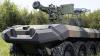 US Army trials unmanned Hunter Wolf robot with gun, radar in combat drills
Top Tech News
 Researchers Turn Car Battery Acid and Plastic Waste into Clean Hydrogen and New Plastic
 'Spin-flip' system pushes solar cell energy conversion efficiency past 100%
 A Startup Has Been Quietly Pitching Cloned Human Bodies to Transfer Your Brain Into
 DEYE 215kWh LiFePO4 + 125,000W Inverter + 200,000W MPPT = Run A Factory Offgrid!!
 China's Unitree Unveils Robot With "Human-Like Physique" That Can Outrun Most People
 This $200 Black Shaft Air Conditions Your Home For Free Forever -- Why Is It Banned in the U.S.?
 Engineers have developed a material capable of self-repairing more than 1,000 times,...
 They bypassed the eye entirely.
 The Most Dangerous Race on Earth Isn't Nuclear - It's Quantum.
 This Plasma Stove Cooks Hotter Than The Sun


Ivermectin and mebendazole, 84% benefit in cancer

Ivermectin and Mebendazole in Cancer Patients
https://zenodo.org/records/19455636
The Clinical Benefit Ratio
Complete Response + Partial Response + Stable Disease / Total Patients
(CBR) was 84.4%
Overall, it is estimated that annual costs of standard chemotherapies average $111,000 per year.
Background: Drug repurposing offers a pathway to identify accessible, low-toxicity cancer therapies.
Ivermectin and mebendazole have demonstrated multi-target anti-cancer activity.
This paper evaluates real-world patient-reported outcomes, safety, and adherence in a cohort of cancer patients utilizing this combination protocol.
Methods:
Prospective observational cohort of 197 cancer patients,
who were prescribed ivermectin and mebendazole off-label through telemedicine (platform by licensed U.S. healthcare providers)
Participants received compounded oral capsules containing 25 mg ivermectin and 250 mg mebendazole.
Data were collected via voluntary, standardized digital surveys at baseline and at approximately 6-month follow-up.
Of the initial cohort (N = 197), baseline characteristics, including cancer type and disease status, were assessed.
A total of 122 participants completed the follow-up survey (61.9% response rate)
Results:
Mean age of 67 years, (52.3% male, 47.7% female).
Cancer types included
Prostate 27.9%
Breast 18.3%
Lung 8.6%
Colon 5.1%
Urologic 4.6%
Pancreatic 3.0%
Liver 2.5%
Gynaecologic 2.5%
Hematologic 2.5%
Median duration since initial diagnosis, 1.2 years
37.1% experiencing active disease progression.
6-month follow-up
Medication adherence, 86.9%
Full initial 90-capsule ivermectin-mebendazole prescription.
The Clinical Benefit Ratio
Complete Response + Partial Response + Stable Disease / Total Patients
(CBR) was 84.4%
Notably, 48.4% of cohort, strongest positive outcomes:
Regression, 15.6%
No current evidence of disease (NED), 32.8%