










Breaking News
 U.S. intercepted Ukraine government messages discussing plot to route money to Biden re-election
 This Should NOT Be Happening in Oil Markets
 Unjust War Theory
 Once Again, a Crisis Raises the Question, Why Does the State Exist?
Top Tech News
 The Secret Spy Tech Inside Every Credit Card
 Red light therapy boosts retinal health in early macular degeneration
 Hydrogen-powered business jet edges closer to certification
 This House Is 10 Feet Underground and Costs $0 to Cool. Why Is It Banned in 30 States?
 Cold Tolerant Lithium Battery?? Without Heaters!? Ecoworthy Cubix 100 Pro!
 DLR Tests Hydrogen Fuel for Aviation at -253°C
 Watch: China Claims Cyborg Breakthrough To Build An "Army Of Centaurs"
 Instant, real-time video AI is now upon us, for better and worse
 We Build and Test Microwave Blocking Panels - Invisible to Radar
 Man Successfully Designs mRNA Vaccine To Treat His Dog's Cancer



Trump suggests he will attend birthright citizenship arguments at Supreme Court
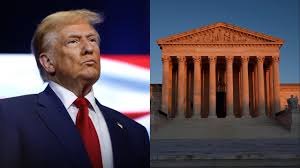
"I'm going," Trump told reporters Tuesday, before adding a bit more tentatively, "I think so. I do believe."
The presence of a sitting president at the high court during oral arguments would be a first, according to historians. But Trump has previously flirted with attending oral arguments before reversing course. Last October, he said he planned to attend arguments for his so-called Liberation Day tariffs, but he later backed down. He wound up losing that case, 6-3.
Asked about the president's plans, a White House spokesperson referred back to his comments to journalists. A Supreme Court spokesperson did not immediately respond to a request for comment.
Speaking to reporters in the Oval Office, Trump repeated his argument that the Constitution's 14th Amendment was only intended to give citizenship to the children of former slaves and was not intended to apply to virtually anyone born on U.S. soil. The majority of constitutional scholars and legal precedents reject his view.
"Everything having to do with birthright citizenship, it was at the end of the Civil War," Trump said. "The reason was it had to do with the babies of slaves and the protection of the babies of slaves. It didn't have to do with the protection of multi-millionaires and billionaires wanting to have their children get an American citizenship."
On his first day back in office last year, Trump signed an executive order that sought to deny federal benefits such as passports to children born in the U.S. to undocumented immigrants and those on limited-duration visas. He argued that the prospect of automatic U.S. citizenship encourages illegal immigration and so-called birth tourism, where families arrange to have their children while visiting the U.S.
Trump's order was blocked by a series of judges, who ruled that the 14th Amendment guarantees citizenship to almost everyone born in the U.S., regardless of their parents' status. The justices are set to hear arguments Wednesday on the Trump administration's bid to overturn the lower court rulings and let Trump's order take effect.
Trump's latest salvos toward the high court come as he has repeatedly hectored the justices on social media, often alternating between calls to back his citizenship order and bitter complaints about his loss in the tariff case.
Speaking to reporters Tuesday, Trump asserted that Republican-appointed justices and judges often vote against the views of the president who picked them while Democratic-appointed jurists "almost without fail" vote in lockstep with their political backers.
Discussing the court's GOP nominees, Trump said: "Some people would call it stupidity. Some people would call it disloyal. Some people would say they're right."
However, earlier Tuesday, the court issued an 8-1 ruling that rejected Colorado's ban on so-called conversion therapy aimed at LGBTQ people. In that case, two of the court's liberal appointees voted with all the conservative justices to support the position endorsed by the Trump administration.