










Breaking News
 Trump Threatens To 'Blow Up' Iran's Desalination Plants
 US Launches 48th Airstrike in Somalia of the Year
 After failing to pass SAVE Act, Lindsey hightails it to Disney to hang out with Minnie…
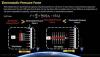 Exodus Propulsion and the Exodus Force aka Electrostatic Pressure Force
Top Tech News
 The Secret Spy Tech Inside Every Credit Card
 Red light therapy boosts retinal health in early macular degeneration
 Hydrogen-powered business jet edges closer to certification
 This House Is 10 Feet Underground and Costs $0 to Cool. Why Is It Banned in 30 States?
 Cold Tolerant Lithium Battery?? Without Heaters!? Ecoworthy Cubix 100 Pro!
 DLR Tests Hydrogen Fuel for Aviation at -253°C
 Watch: China Claims Cyborg Breakthrough To Build An "Army Of Centaurs"
 Instant, real-time video AI is now upon us, for better and worse
 We Build and Test Microwave Blocking Panels - Invisible to Radar
 Man Successfully Designs mRNA Vaccine To Treat His Dog's Cancer



Hormuz choke: Iran doesn't need to win the war, it just needs to make it too expensive to finish

Iran is not trying to defeat the United States and Israel military, but it is imposing costs so high that the war becomes unaffordable not just for them but for the world, forcing them to seek a negotiated end to the conflict. And it appears to be working.
With the closure of the Strait, Iran has cut off the world's 20-25 per cent of oil and gas supply, sending energy prices skyrocketing across the world, creating energy crises in many parts of the world, and putting economies under severe strain. For American partners in the Gulf, the costs continue to mount.
Iranian strikes have damaged Qatar's energy infrastructure such that repairs could take three to five years and annual losses mount to around $20 billion. Kuwait is estimated to have lost around 14 per cent of its GDP in the attacks. Across the region, oil and gas production has fallen massively.
Iran makes war costly for US & rest of the world
Iran has made the war costly for the entire world, including the United States that's pursuing the war.
As oil and gas prices have seen the largest spike in decades at a time when economic growth had already plunged, President Donald Trump's approval rating has fallen to an all-time low. Goldman Sachs has said the war has shed off up to 10,000 jobs in the first month. Economists have raised recession odds.
As unemployment was already at its highest point in over decades and economic growth had already stalled, there are concerns that these war-induced crises could push the economy into stagflation. And pressure is mounting on Trump to conclude the war irrespective of achieving the goals he set out with.
There are signs that such a situation has forced a rethink as Trump has continued to double down on negotiations. He has essentially given up on the regime change agenda and said a deal is imminent.
Trump is in a race against time
The longer the war goes, the higher the United States and the rest of the world will bear the costs.
Goldman Sachs has warned that the war's oil shock will shed off 10,000 jobs per month this year, particularly in restaurants, hotels, and retail stores.