










Breaking News
 Former Special Counsel Robert Mueller Dead at 81
 US authorizes temporary delivery, sale of oil originating from Iran
 How the World Changed Into the NWO
 $200 Billion for War and $20 Million to Destroy the Last Congressman Who Says No
Top Tech News
 We Build and Test Microwave Blocking Panels - Invisible to Radar
 Man Successfully Designs mRNA Vaccine To Treat His Dog's Cancer
 Watch: Humanoid robot gets surprisingly good at tennis
 Low-cost hypersonic rocket engine takes flight for US Air Force
 Your WiFi Can See You. Here's How.
 Decentralizing Defense: A $96 Guided Rocket Just Put Precision Warfare into the Hands of the People
 Israel's Iron Beam and the laser future of missile defense
 Scientists at the Harbin University of Science and Technology have pioneered a sophisticated...
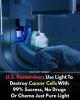 Researchers have developed a breakthrough "molecular jackhammer" technique...
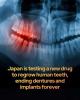 Human trials are underway for a drug that regrows human teeth in just 4 days.



UK COVID Inquiry Finds Lockdowns May Have Cost 1000s Of Lives
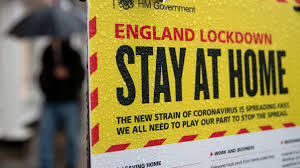
A new UK Covid-19 Inquiry report has concluded that the relentless "Stay Home, Protect the NHS, Save Lives" messaging likely cost thousands of lives by convincing people they could not get access to health services.
The inquiry, led by Baroness Hallett, slammed the slogan created by Cabinet Office officials without input from health leaders. It "led some people to feel they must avoid burdening the NHS" and "may have inadvertently sent the message that healthcare was closed," contributing to a sharp decline in A&E attendances for life-threatening emergencies such as heart attacks.
The report states plainly: "It is clear that, during the pandemic, worsening delays in diagnosis and treatment led to increased ill-health and suffering and, in some cases, cost lives." Some patients waited so long their conditions became "untreatable," with permanent loss of mobility.
Baroness Hallett stressed: "It is important that government communication campaigns do not deter those in need from accessing healthcare." She urged future governments to consult healthcare professionals on messaging "to avoid unintended consequences."
Office for National Statistics data backs this up, recording more than 17,000 excess deaths from non-Covid conditions at the height of the pandemic. Cancer screenings were paused, diagnoses plummeted, and non-urgent care cancellations left patients suffering. Hospital visiting bans were branded too tough, with dying people left alone and families devastated.
The NHS itself "coped, but only just," teetering on the brink of collapse under "intolerable strain," per Hallett, who noted politicians like then-health secretary Matt Hancock were reluctant to admit the system was overwhelmed.
The findings come on the back of mountains of research indicating isolation policies inflicted generational damage on children's development.
A recent University of East Anglia-led study, published in Child Development, concuded that lockdowns may have permanently damaged kids' brain development through lost socialisation and routine.
The study tracked 139 children and found the greatest harm hit reception-year pupils aged four to five when the first lockdowns struck in March 2020 – a critical window for learning routines, friendships, and self-regulation.
Lead researcher Prof John Spencer said: "Children who were in reception when the country shut down showed much slower growth in key self-regulation and cognitive flexibility skills over the next few years than children who were still in preschool."
He added: "Reception is a critical year for peer socialisation. It's when children learn classroom norms and build early friendships that shape their confidence."