










Breaking News
 The AI Bird-Flu Scenario They Just Published
 Japan's first robot ambulance works the 9-1-1 lines for humanoids
 Cheap smartphone add-on pinpoints hidden cameras to shut down spies
 The $600 Tank That Beats a $10,000 Powerwall
Top Tech News
 BEYOND THE MOON: NASA plans a nuclear-powered fleet to push DEEPER into space
 Big Oil Backs Mazama's $135 Million Bet On Superhot Geothermal
 Quantum compass takes flight on Northrop's Lumberjack drone
 Terrifying AI Behavior Even Its Creators Couldn't Explain
 WW3 Near-Miss? AI Hallucinated Nuclear Weapons Components Aboard Chinese Vessel Bound For Iran
 Stripe Is Building the Toll Road for the Machine Economy
 Toyota Dakar hopeful swaps twin-turbo V6 for hydrogen fuel cells
 4-min turbo-inflatable cubic camp castle is now available in the USA
 Researchers Used Claude To Hack OpenAI Employee Accounts
 Chinese Scientists Develop New Oil Refining Method That Cuts Energy Use by 90%



A single inflammatory switch may help repair the liver
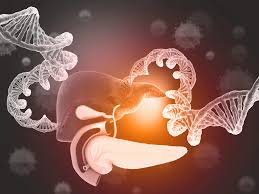
Signals from the gut make the situation worse by encouraging immune cells to release harmful molecules. Macrophages and monocytes are central players, intensifying injury and shifting the body's defenses toward a more aggressive state. Among them, liver macrophages are essential and are now being explored as therapeutic targets.
Another key factor is Platelet-Activating Factor (PAF), a chemical that drives inflammation, clotting, and changes in blood vessels. In cirrhosis, a serious and ongoing condition, healthy liver tissue is slowly replaced by scar tissue. This replacement causes a loss of structure and function. Liver macrophages create high levels of PAF and its receptor, which raises portal vein pressure and decreases blood pressure in other areas.
Current treatments for liver disease are limited. They mainly tackle complications instead of the root causes of damage. This highlights the need for more research to better understand how the disease works and to create stronger, more effective therapies.
Researchers at Miguel Hernández University in Spain have found a promising way to lessen liver damage and improve blood vessel function in cirrhosis.
"Our main objective was to understand the role of platelet-activating factor (PAF) and its receptor (PAF-R) in liver cirrhosis, a disease characterized by progressive liver damage accompanied by intense chronic inflammation," explained study lead Rubén Francés Guarinos. "The study also evaluated whether blocking this inflammatory pathway could be an effective strategy to improve liver function in cirrhosis."
The researchers looked at both patients with cirrhosis and mice with chemically induced cirrhosis. Some of the mice were given treatments: either a drug that blocks PAF-R receptor, or a DNA methylation inhibitor, for two weeks before surgery (laparotomies).
Researchers then examined liver immune cells to determine how their DNA activity was regulated and measured levels of a key receptor. They also tested liver cells called Kupffer cells by exposing them to PAF and other triggers and measuring the amount of inflammatory molecules they produced. Finally, the team measured markers of liver damage to understand how these treatments and signals affected disease progression.
The study found that in cirrhosis, a change in gene regulation, specifically the removal of chemical marks from the PAF-R gene, causes the gene to become overactive. As a result, liver immune cells produce more PAF-R receptors, which intensifies inflammation and worsens liver damage.
Notably, the researchers showed that blocking PAF with a drug called BN-52021 not only reduced liver injury and improved blood vessel function in cirrhotic mice, but also restored balance in the liver's immune and inflammatory responses.
"Taken together, these findings suggest that drugs capable of blocking PAF action, such as BN-52021, could represent a new therapeutic line for liver cirrhosis," said UMH researcher Enrique Ángel Gomis.