










Breaking News
 The AI Bird-Flu Scenario They Just Published
 Japan's first robot ambulance works the 9-1-1 lines for humanoids
 Cheap smartphone add-on pinpoints hidden cameras to shut down spies
 The $600 Tank That Beats a $10,000 Powerwall
Top Tech News
 BEYOND THE MOON: NASA plans a nuclear-powered fleet to push DEEPER into space
 Big Oil Backs Mazama's $135 Million Bet On Superhot Geothermal
 Quantum compass takes flight on Northrop's Lumberjack drone
 Terrifying AI Behavior Even Its Creators Couldn't Explain
 WW3 Near-Miss? AI Hallucinated Nuclear Weapons Components Aboard Chinese Vessel Bound For Iran
 Stripe Is Building the Toll Road for the Machine Economy
 Toyota Dakar hopeful swaps twin-turbo V6 for hydrogen fuel cells
 4-min turbo-inflatable cubic camp castle is now available in the USA
 Researchers Used Claude To Hack OpenAI Employee Accounts
 Chinese Scientists Develop New Oil Refining Method That Cuts Energy Use by 90%



What Are the Differences Between Yellow Chicken and White Chicken?
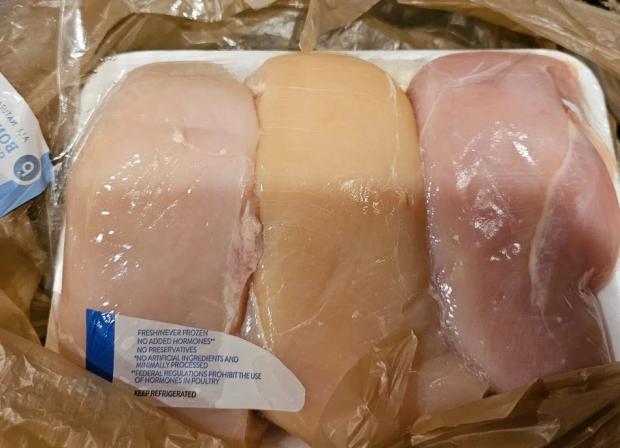
I've done it. A lot of us have. And if you're like me, you've probably asked yourself, "Does chicken color mean anything? Is one fresher? Healthier? Tastier?" Spoiler alert: the answer's more interesting than you'd expect.
What Chicken Color Really Tells You
Let's get the obvious out of the way - yes, chicken color does tell you something. But it's not about quality in the way you might think. There's a long-standing misconception that white chicken is somehow "cleaner" or better, and that yellow chicken looks suspicious (or the other way around depending on where you grew up). Truth is, the color difference mostly comes down to diet, breed, and how the chicken was raised.
White chicken typically comes from factory-farmed birds raised indoors on commercial feed, usually consisting of grains like corn, wheat, and soy. These chickens grow rapidly, don't get much exercise, and aren't exposed to the outdoors. The meat ends up being pale pink or white, sometimes with a slightly bluish tint (especially if it's cold). This is the kind of chicken you'll see in most grocery stores.