










Breaking News
 "Boots on the Ground"
 The Poo Doctor: This Gut Mistake Leads To Cancer. The Cheap Spice That Helps Repair...
 Vaccine ingredients Exposed - Children's Health Defence "CHD"
 Microsoft's Agentic AI Push: Genius for Business or Disaster for Your Personal Computing?
Top Tech News
 Laser weapons go mobile on US Army small vehicles
 EngineAI T800: Born to Disrupt! #EngineAI #robotics #newtechnology #newproduct
 This Silicon Anode Breakthrough Could Mark A Turning Point For EV Batteries [Update]
 Travel gadget promises to dry and iron your clothes – totally hands-free
 Perfect Aircrete, Kitchen Ingredients.
 Futuristic pixel-raising display lets you feel what's onscreen
 Cutting-Edge Facility Generates Pure Water and Hydrogen Fuel from Seawater for Mere Pennies
 This tiny dev board is packed with features for ambitious makers
 Scientists Discover Gel to Regrow Tooth Enamel
 Vitamin C and Dandelion Root Killing Cancer Cells -- as Former CDC Director Calls for COVID-19...



Expect The Precious Metals Rally To Continue In 2026
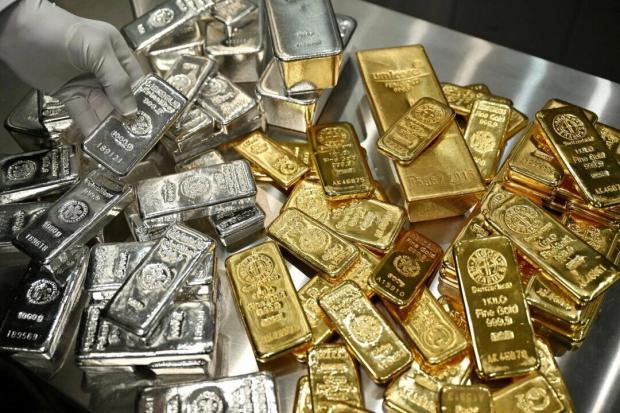
Silver and platinum rose by approximately 170 percent in 2025, while gold returned a highly respectable 73 percent.
Among AI stocks, only Palantir outperformed gold.
Why such stellar performance from assets once derided by governments as "barbarous relics" and shunned by investors as outdated?
The reason I wrote at the start of last year that we should "expect gold to shine in 2025" was because global conditions had fundamentally - and perhaps irreversibly - shifted.
I noted then that the primary factors driving gold prices included shifting geopolitics prompting central bank stockpiling, investor concerns over the creditworthiness of the U.S. government (and, by extension, the dollar), persistent inflation eroding the purchasing power of paper currencies, and widening supply-demand imbalances.
These forces are unlikely to abate in 2026.
As a result, we should expect precious metals—including gold, silver, and platinum—to continue performing well in the coming year. Indeed, deglobalization and the continued push toward resource nationalism and the protection of critical materials lend additional support not only to these metals but also to the broader commodities complex.
In recent years, central banks around the world have reduced their purchases of U.S. Treasury securities—formerly their largest reserve asset—and have instead been stockpiling gold. China, Russia, and India have all been significant buyers, as have many smaller, independent nations eager to remain outside the U.S.–China conflict.
Observing how the United States imposed financial sanctions on Russia following its 2022 invasion of Ukraine, many countries have concluded that dependence on a dollar-dominated financial system is too risky. They fear that the U.S. government may weaponize the dollar system—via financial sanctions or trade policy—and they're seeking alternatives. Shifting from Treasurys to gold and other metals offers a hedge. A prominent example of efforts to reduce reliance on the U.S. dollar is the development of alternative currencies partially backed by gold reserves, such as those being pursued by BRICS nations.