










Breaking News
 Mike Benz just examined Epstein files and he's got a telltale theory…
 The Ever-Widening War
 BREAKING GLOBAL EXCLUSIVE: Former High-Level CIA Operative Patrick Byrne Reveals That...
 Junk-food Bans for SNAP Users To Begin in January
Top Tech News
 EngineAI T800: Born to Disrupt! #EngineAI #robotics #newtechnology #newproduct
 This Silicon Anode Breakthrough Could Mark A Turning Point For EV Batteries [Update]
 Travel gadget promises to dry and iron your clothes – totally hands-free
 Perfect Aircrete, Kitchen Ingredients.
 Futuristic pixel-raising display lets you feel what's onscreen
 Cutting-Edge Facility Generates Pure Water and Hydrogen Fuel from Seawater for Mere Pennies
 This tiny dev board is packed with features for ambitious makers
 Scientists Discover Gel to Regrow Tooth Enamel
 Vitamin C and Dandelion Root Killing Cancer Cells -- as Former CDC Director Calls for COVID-19...
 Galactic Brain: US firm plans space-based data centers, power grid to challenge China



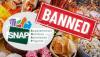
Junk-food Bans for SNAP Users To Begin in January
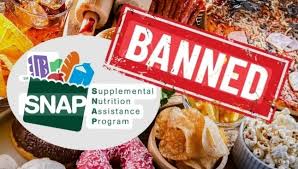
Beginning in January, 18 states will restrict the purchase of certain foods.
The ban is being carried out under the aegis of Health Secretary Robert F. Kennedy Jr.'s "Make America Healthy Again" agenda. Participating states have had to submit a waiver to the Department of Agriculture (USDA), which oversees SNAP.
Indiana, Iowa, Nebraska, Utah, and West Virginia will implement purchase restrictions on 1 January, 2026. Idaho, Oklahoma, Louisiana, Colorado, Texas, Virginia, and Florida have starting dates from February to April. Arkansas, Tennessee, Hawaii, South Carolina, North Dakota, and Missouri will begin their bans between July and October.
Under the new rules, candy, soda and energy drinks, as well as some kinds of prepared foods, will not be available to SNAP recipients.
In Tennessee and Iowa, SNAP recipients will not be able to buy processed food, categorised as food that has been changed in any way from its natural state.
Prepared desserts will be off the menu in Florida and Missouri.
Meanwhile, in Iowa, foods that are prepared for consumption of come with eating utensils will be unavailable. Bread, fruit and canned goods will still be permitted.
Agriculture Secretary Brooke Rollins said these are "bold" and "historic" steps to reduce the burden of chronic disease in the US.
"We are restoring SNAP to its true purpose—nutrition," Rollins said in a written statement.
"With these new waivers, we are empowering states to lead, protecting our children from the dangers of highly-processed foods, and moving one step closer to the President's promise to make America Healthy Again."
Health Secretary Robert F. Kennedy Jr. said, "We cannot continue a system that forces taxpayers to fund programs that make people sick and then pay a second time to treat the illnesses those very programs help create."
These restrictions are the first in the history of the program.
Between 2000 and 2024, the USDA repeatedly denied requests from states to restrict foods available under the program.
In 2007, the USDA explained that "no clear standards exist for defining foods as good or bad, or healthy or not healthy."