










Breaking News
 The AI Bird-Flu Scenario They Just Published
 Japan's first robot ambulance works the 9-1-1 lines for humanoids
 Cheap smartphone add-on pinpoints hidden cameras to shut down spies
 The $600 Tank That Beats a $10,000 Powerwall
Top Tech News
 BEYOND THE MOON: NASA plans a nuclear-powered fleet to push DEEPER into space
 Big Oil Backs Mazama's $135 Million Bet On Superhot Geothermal
 Quantum compass takes flight on Northrop's Lumberjack drone
 Terrifying AI Behavior Even Its Creators Couldn't Explain
 WW3 Near-Miss? AI Hallucinated Nuclear Weapons Components Aboard Chinese Vessel Bound For Iran
 Stripe Is Building the Toll Road for the Machine Economy
 Toyota Dakar hopeful swaps twin-turbo V6 for hydrogen fuel cells
 4-min turbo-inflatable cubic camp castle is now available in the USA
 Researchers Used Claude To Hack OpenAI Employee Accounts
 Chinese Scientists Develop New Oil Refining Method That Cuts Energy Use by 90%



20 Essential medicinal herbs every prepper should know
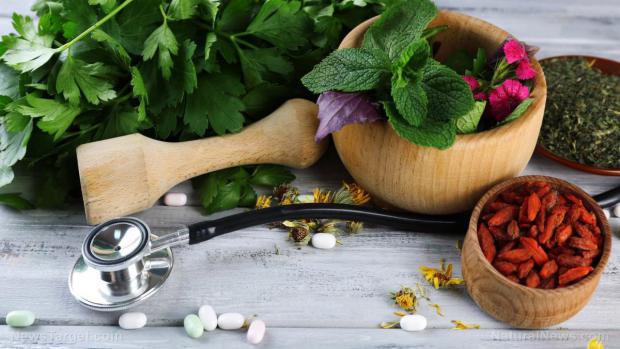
Many modern pharmaceuticals trace their origins to botanical sources, yet few people today recognize the lifesaving potential of common herbs. For preppers, homesteaders and self-reliant individuals, cultivating medicinal plants can mean the difference between thriving and merely surviving when conventional medicine is unavailable.
From ancient Native American remedies to European folk medicine, these 20 essential herbs offer natural solutions for pain relief, wound care, immune support and more. Understanding their uses—and potential risks—could prove indispensable in times of emergencies.
Top medicinal herbs for survival
1. Evening primrose
Known for its vibrant yellow or pink flowers, evening primrose has been used for centuries to treat coughs, sore throats and digestive issues. The roots, flowers and leaves of evening primrose are edible and rich in vitamin C. Poultices made from the plant promote wound healing.
2. California poppy
Unlike its opium-producing cousin, the California poppy offers mild pain relief without addiction risks. Native Americans brewed it into teas for anxiety and insomnia. The golden flowers and seeds are also edible.
3. Calendula
This bright-flowered herb, originally from Southern Europe, boasts powerful antiseptic properties. Infusions and salves made from calendula petals prevent infections and soothe radiation burns.
4. Lavender
With over 40 species, lavender is prized for its antimicrobial and anti-inflammatory effects. Lavender essential oil accelerates wound healing, while teas and baths ease muscle pain and stress.
5. Yarrow
Navajo tribes revered yarrow as a "life medicine" for its antiseptic and anti-inflammatory properties. Chewing the leaves relieves toothaches, while infusions treat ear infections and improve blood circulation.
6. Feverfew
Traditionally used for migraines and stomach ailments, feverfew reduces headache frequency. However, improper use can cause side effects, so caution is advised.
7. Chamomile
Best known for its calming effects, chamomile also aids digestion and speeds wound healing. It can be consumed as tea or applied topically in salves.