










Breaking News
 15 Years After Occupy, the Case Against the System Has Never Been Clearer
 8 Prepper Hacks for Cleaning Without Running Water
 The Economy Is Stagnating
 Britain To Appoint A Dedicated Tax Agent To Every Single Billionaire
Top Tech News
 BEYOND THE MOON: NASA plans a nuclear-powered fleet to push DEEPER into space
 Big Oil Backs Mazama's $135 Million Bet On Superhot Geothermal
 Quantum compass takes flight on Northrop's Lumberjack drone
 Terrifying AI Behavior Even Its Creators Couldn't Explain
 WW3 Near-Miss? AI Hallucinated Nuclear Weapons Components Aboard Chinese Vessel Bound For Iran
 Stripe Is Building the Toll Road for the Machine Economy
 Toyota Dakar hopeful swaps twin-turbo V6 for hydrogen fuel cells
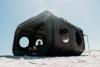 4-min turbo-inflatable cubic camp castle is now available in the USA
 Researchers Used Claude To Hack OpenAI Employee Accounts
 Chinese Scientists Develop New Oil Refining Method That Cuts Energy Use by 90%



Scientists switch monkey brains on or off using electricity in experiment
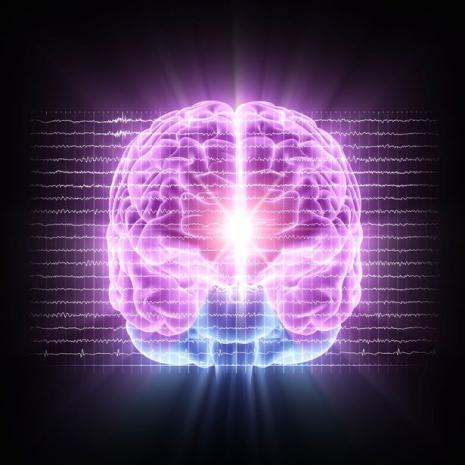
Scientists have discovered the brain's "on" switch, enabling them to turn the consciousness of monkeys on and off at will.
A team co-led by Yuri Saalmann, an assistant professor at the University of Wisconsin, Madison, discovered that stimulating a tiny chamber deep in the brain called the central lateral thalamus would instantly wake up a monkey that had been knocked out with a powerful anaesthetic.
Tiny electric shocks "switched on" the brains of the macaque, awakening them in seconds.
Saalmann said: "We found that when we stimulated this tiny little brain area, we could wake the animals up and reinstate all the neural activity that you'd normally see in the cortex during wakefulness."
"They acted just as they would if they were awake. When we switched off the stimulation, the animals went straight back to being unconscious."