










Breaking News
 15 Years After Occupy, the Case Against the System Has Never Been Clearer
 8 Prepper Hacks for Cleaning Without Running Water
 The Economy Is Stagnating
 Britain To Appoint A Dedicated Tax Agent To Every Single Billionaire
Top Tech News
 BEYOND THE MOON: NASA plans a nuclear-powered fleet to push DEEPER into space
 Big Oil Backs Mazama's $135 Million Bet On Superhot Geothermal
 Quantum compass takes flight on Northrop's Lumberjack drone
 Terrifying AI Behavior Even Its Creators Couldn't Explain
 WW3 Near-Miss? AI Hallucinated Nuclear Weapons Components Aboard Chinese Vessel Bound For Iran
 Stripe Is Building the Toll Road for the Machine Economy
 Toyota Dakar hopeful swaps twin-turbo V6 for hydrogen fuel cells
 4-min turbo-inflatable cubic camp castle is now available in the USA
 Researchers Used Claude To Hack OpenAI Employee Accounts
 Chinese Scientists Develop New Oil Refining Method That Cuts Energy Use by 90%



Clearview app lets strangers find your name, info with snap of a photo, report says
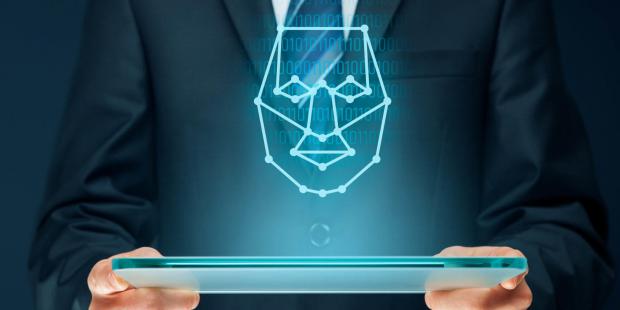
What if a stranger could snap your picture on the sidewalk then use an app to quickly discover your name, address and other details? A startup called Clearview AI has made that possible, and its app is currently being used by hundreds of law enforcement agencies in the US, including the FBI, says a Saturday report in The New York Times.
The app, says the Times, works by comparing a photo to a database of more than 3 billion pictures that Clearview says it's scraped off Facebook, Venmo, YouTube and other sites. It then serves up matches, along with links to the sites where those database photos originally appeared. A name might easily be unearthed, and from there other info could be dug up online.
The size of the Clearview database dwarfs others in use by law enforcement. The FBI's own database, which taps passport and driver's license photos, is one of the largest, with over 641 million images of US citizens.
The Clearview app isn't currently available to the public, but the Times says police officers and Clearview investors think it will be in the future.
Law enforcement officers say they've used the app to solve crimes from shoplifting to child sexual exploitation to murder. But privacy advocates warn that the app could return false matches to police and that it could also be used by stalkers and others. They've also warned that facial recognition technologies in general could be used to conduct mass surveillance.
Regulation of facial recognition technology is currently up in the air in the US. A few cities, including San Francisco, have banned its use, but there aren't yet any federal laws.
On Wednesday, the House Oversight Committee held its third hearing on facial recognition, as lawmakers look to address the tech's use in public spaces by both private companies and government agencies. "We're going to have to really grapple with what are the parameters of protecting privacy and controlling the use of this technology," Rep. Gerry Connolly, a Democrat from Virginia, said at the hearing.