










Breaking News
 15 Years After Occupy, the Case Against the System Has Never Been Clearer
 8 Prepper Hacks for Cleaning Without Running Water
 The Economy Is Stagnating
 Britain To Appoint A Dedicated Tax Agent To Every Single Billionaire
Top Tech News
 BEYOND THE MOON: NASA plans a nuclear-powered fleet to push DEEPER into space
 Big Oil Backs Mazama's $135 Million Bet On Superhot Geothermal
 Quantum compass takes flight on Northrop's Lumberjack drone
 Terrifying AI Behavior Even Its Creators Couldn't Explain
 WW3 Near-Miss? AI Hallucinated Nuclear Weapons Components Aboard Chinese Vessel Bound For Iran
 Stripe Is Building the Toll Road for the Machine Economy
 Toyota Dakar hopeful swaps twin-turbo V6 for hydrogen fuel cells
 4-min turbo-inflatable cubic camp castle is now available in the USA
 Researchers Used Claude To Hack OpenAI Employee Accounts
 Chinese Scientists Develop New Oil Refining Method That Cuts Energy Use by 90%



Meet The Futuristic, Fully-Autonomous Concept Truck Without A Cab
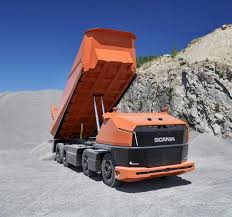
The vehicle is described as a "heavy-duty self-driving vehicle" and was designed by a group of Scania experts from different fields.
It features the company's modular system at the core of its design and could be used in many industries that are seeking out "more sustainable, self-driving vehicles to increase their productivity and performance."
Some examples including mining and construction, which are favorable for self-driving vehicles since they are well-controlled locations.
Scania describes the truck as "a step forward to smart transportation systems of the future". And the software in the truck will play just as big of a role as the hardware: the AXL is directed and monitored by an intelligent control environment.
In places like mines, autonomous operations can be facilitated by a logistics system that tells vehicle how it should perform.
Many self-driving autonomous trucks in use today still have a cab where a driver can sit, should the need to intervene arise. The AXL is designed without a cab, meaning no driver will be in the truck. Its combustion engine is even powered by renewable biofuel.