










Breaking News
 15 Years After Occupy, the Case Against the System Has Never Been Clearer
 8 Prepper Hacks for Cleaning Without Running Water
 The Economy Is Stagnating
 Britain To Appoint A Dedicated Tax Agent To Every Single Billionaire
Top Tech News
 Tesla Model 3 killer charges from 10 to 97% in just 9 minutes
 World-first unpowered DNA computer sets speed record
 I Power 5 Buildings Off-Grid. Here's How
 The US government is pushing hard to get a working nuclear fission reactor into space by late 2028
 SpaceX Starmind AI in Space Radiator
 China Will Dominate Global Nuclear Energy Through 2035, Analyst Says
 These Absolutely Wild-Looking EVs Are Saudi Arabia's First Homegrown Cars
 BEYOND THE MOON: NASA plans a nuclear-powered fleet to push DEEPER into space
 Big Oil Backs Mazama's $135 Million Bet On Superhot Geothermal
 Quantum compass takes flight on Northrop's Lumberjack drone


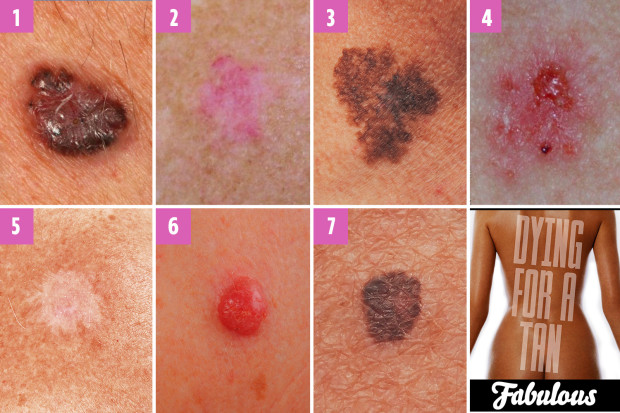
SPOT ON Can you spot which moles are deadly? The skin cancer signs you need to know
IT'S the most common form of cancer in the UK - killing seven Brits every day.
But, would you know if you were developing skin cancer? Can you tell the dangerous moles from the harmless?
Which of the above moles would you worry about, and which would you ignore?
To find the answer, scroll down to the box below - and then learn how to spot each type.
Millions of Brits are putting their lives at risk, with one-in-ten Brits - including kids as young as eight - using sunbeds.
Doing so before the age of 35 increases your chance of developing melanoma - the deadliest form of skin cancer - by a horrific 87 per cent.
That's why Fabulous launched the Dying For A Tan campaign, to raise awareness of the dangers sunbeds pose.
Despite the risks, many Brits are still clueless when it comes to spotting the signs of skin cancer - dismissing changes to moles, and new blemishes as harmless.
Caught early, skin cancer has a good survival rate - 90 per cent if the disease is detected at stage one.
And experts estimate 86 per cent of cases are preventable.
SPOT THE DANGER MOLE
ALL the moles and blemishes pictured above are cancerous.
Some show deadly melanoma, while others are signs of more treatable forms of the disease.
Basal cell carcinoma (BCC)
BCC on the trunk
Malignant melanoma on the neck
BCC on the trunk
BCC on the shoulder
Mixed melanoma
Malignant spreading melanoma
The most common sign of skin cancer is a change to a mole, freckle or normal patch of skin.
Here, we share the symptoms you need to know - to spot the signs of the three most common skin cancers.

Read More...