










Breaking News
 "Begin Preparing Yourself..." - Jeffrey Sachs
 The 5-Year Treasury Just Broke 5%... The Whole Curve Is Next
 ICE Denounced for Enacting 'Official Government Policy of Disappearing People'
 Google Just Told Canadian Adults: Give Us Your ID and a Selfie Or Else…And It's Starting Now!!
Top Tech News
 Tesla Model 3 killer charges from 10 to 97% in just 9 minutes
 World-first unpowered DNA computer sets speed record
 I Power 5 Buildings Off-Grid. Here's How
 The US government is pushing hard to get a working nuclear fission reactor into space by late 2028
 SpaceX Starmind AI in Space Radiator
 China Will Dominate Global Nuclear Energy Through 2035, Analyst Says
 These Absolutely Wild-Looking EVs Are Saudi Arabia's First Homegrown Cars
 BEYOND THE MOON: NASA plans a nuclear-powered fleet to push DEEPER into space
 Big Oil Backs Mazama's $135 Million Bet On Superhot Geothermal
 Quantum compass takes flight on Northrop's Lumberjack drone


Boswellia is a powerful anti-inflammatory herbal extract that can prevent cancer
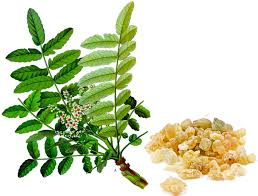
You might not have heard of boswellia, but you may know it by its other name: frankincense. It is said to be one of the gifts that was brought to Jesus when he was born, and it could prove to be an almost miraculous gift in the fight against cancer.
It comes from the resin of a tree called Boswellia serrata, which is native to Africa, Asia and the Middle East. It has long been used in traditional medicine for gastrointestinal relief and to ease ulcers and arthritis. Now, however, researchers are learning more about the unique way that it helps fight inflammation. In fact, it works far differently than conventional medications – and that's a good thing given the many undesirable side effects caused by the current anti-inflammatory pharmaceuticals available.
What standard non-steroidal anti-inflammatory medications do is block the production of pro-inflammatory enzymes. The way they work, however, happens to block the production of an enzyme that is needed to keep the stomach lining healthy. This is why people who take NSAIDs often experience problems like stomach bleeding and irritation, kidney issues and peptic ulcers. Alternatives like Vioxx that skirt around this particular issue proved to be deadly and were withdrawn from the market.