










Breaking News
 "Begin Preparing Yourself..." - Jeffrey Sachs
 The 5-Year Treasury Just Broke 5%... The Whole Curve Is Next
 ICE Denounced for Enacting 'Official Government Policy of Disappearing People'
 Google Just Told Canadian Adults: Give Us Your ID and a Selfie Or Else…And It's Starting Now!!
Top Tech News
 Tesla Model 3 killer charges from 10 to 97% in just 9 minutes
 World-first unpowered DNA computer sets speed record
 I Power 5 Buildings Off-Grid. Here's How
 The US government is pushing hard to get a working nuclear fission reactor into space by late 2028
 SpaceX Starmind AI in Space Radiator
 China Will Dominate Global Nuclear Energy Through 2035, Analyst Says
 These Absolutely Wild-Looking EVs Are Saudi Arabia's First Homegrown Cars
 BEYOND THE MOON: NASA plans a nuclear-powered fleet to push DEEPER into space
 Big Oil Backs Mazama's $135 Million Bet On Superhot Geothermal
 Quantum compass takes flight on Northrop's Lumberjack drone


Stem Cells From Baby Teeth Could Be Used to Bring Back a Dead Tooth
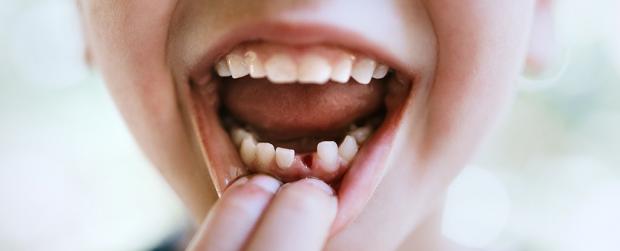
Stem cells taken from baby teeth could be used to repair dental injuries and fix dead teeth in the future, according to new research.
Scientists have announced they've been able to use the cells to patch up permanent teeth in children that have not yet fully grown.
The regenerative nature of stem cells – those powerful cells that can morph and divide to repair almost any part of the body – enabled researchers to successfully replenish the soft inner tissue (or dental pulp) in the teeth of 30 patients in a clinical trial in China.
Further down the line the same technique could be used to repair adult teeth as well, replacing the blood vessels and nerve connections that are often gone forever when a tooth take a serious knock.
"This treatment gives patients sensation back in their teeth," says one of the team, Songtao Shi from the University of Pennsylvania. "If you give them a warm or cold stimulation, they can feel it; they have living teeth again."
"So far we have follow-up data for two, two and a half, even three years, and have shown it's a safe and effective therapy."
As the researchers point out, nearly half of all kids suffer some kind of injury to a tooth during childhood, and if that happens while their permanent teeth are still growing, blood supply and root development can be affected, sometimes leaving a "dead" tooth.