










Breaking News
 "Begin Preparing Yourself..." - Jeffrey Sachs
 The 5-Year Treasury Just Broke 5%... The Whole Curve Is Next
 ICE Denounced for Enacting 'Official Government Policy of Disappearing People'
 Google Just Told Canadian Adults: Give Us Your ID and a Selfie Or Else…And It's Starting Now!!
Top Tech News
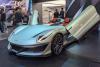 Tesla Model 3 killer charges from 10 to 97% in just 9 minutes
 World-first unpowered DNA computer sets speed record
 I Power 5 Buildings Off-Grid. Here's How
 The US government is pushing hard to get a working nuclear fission reactor into space by late 2028
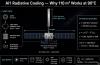 SpaceX Starmind AI in Space Radiator
 China Will Dominate Global Nuclear Energy Through 2035, Analyst Says
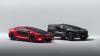 These Absolutely Wild-Looking EVs Are Saudi Arabia's First Homegrown Cars
 BEYOND THE MOON: NASA plans a nuclear-powered fleet to push DEEPER into space
 Big Oil Backs Mazama's $135 Million Bet On Superhot Geothermal
 Quantum compass takes flight on Northrop's Lumberjack drone


FDA approves first US trial on magic mushrooms...
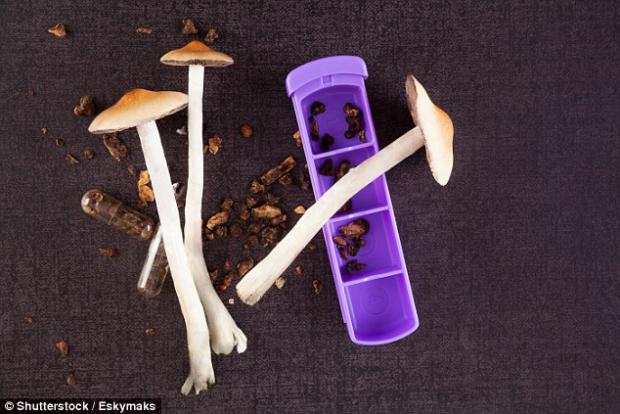
Psilocybin is one of several psychedelic drugs that have recently reemerged from the shadows as they show promise to treat mental illnesses and addictions.
The Peter Thiel-backed health and life sciences startup, Compass Pathways, is the latest to test the 'brain-resetting' power of the schedule I drug on patients.
Already approved in three other countries, the first wave of the trial is set to begin in the UK later this month with studies in Canada, the Netherlands and the US to follow.
Psychedelics may be the latest novel approach to mental health making headlines, but they are far older than the most widely accepted treatments for illnesses like depression and anxiety.
Portrayals in stone carvings and rock paintings that predate recorded history suggest that people discovered the hallucinogenic powers of 'magic' mushrooms as early as 9000 BC.
The fungi were once the center piece of religious ceremonies, but in 1959, a chemist at the pharmaceutical company, Albert Hofmann, was able to identify and separate out the psychoactive compound in mushrooms: psilocybin.