










Breaking News
 "Begin Preparing Yourself..." - Jeffrey Sachs
 The 5-Year Treasury Just Broke 5%... The Whole Curve Is Next
 ICE Denounced for Enacting 'Official Government Policy of Disappearing People'
 Google Just Told Canadian Adults: Give Us Your ID and a Selfie Or Else…And It's Starting Now!!
Top Tech News
 Tesla Model 3 killer charges from 10 to 97% in just 9 minutes
 World-first unpowered DNA computer sets speed record
 I Power 5 Buildings Off-Grid. Here's How
 The US government is pushing hard to get a working nuclear fission reactor into space by late 2028
 SpaceX Starmind AI in Space Radiator
 China Will Dominate Global Nuclear Energy Through 2035, Analyst Says
 These Absolutely Wild-Looking EVs Are Saudi Arabia's First Homegrown Cars
 BEYOND THE MOON: NASA plans a nuclear-powered fleet to push DEEPER into space
 Big Oil Backs Mazama's $135 Million Bet On Superhot Geothermal
 Quantum compass takes flight on Northrop's Lumberjack drone


New chemical compound 'stops common cold in its tracks'
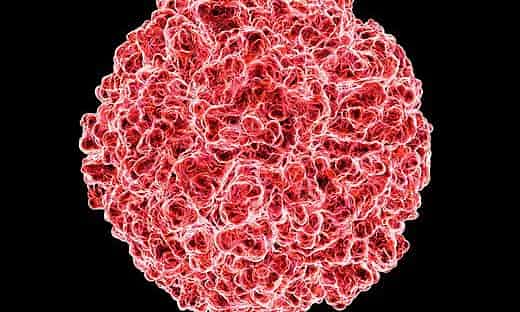
It's a conundrum that has stumped scientists for centuries, but now researchers say they have taken a tantalising step forward in the quest to tackle the common cold.
The scourge of workplace, home and school playground, the common cold is predominantly caused by the rhinovirus. But attempts to thwart the pathogen by vaccination or antiviral drugs face a number of difficulties – not least because the virus comes in many forms and can mutate rapidly leading to drug resistance.
But now scientists say they have discovered a way to nobble the virus that could one day help those with conditions such as asthma and cystic fibrosis, for whom a cold is not merely a nuisance but a serious health risk.