










Breaking News
 "Begin Preparing Yourself..." - Jeffrey Sachs
 The 5-Year Treasury Just Broke 5%... The Whole Curve Is Next
 ICE Denounced for Enacting 'Official Government Policy of Disappearing People'
 Google Just Told Canadian Adults: Give Us Your ID and a Selfie Or Else…And It's Starting Now!!
Top Tech News
 Tesla Model 3 killer charges from 10 to 97% in just 9 minutes
 World-first unpowered DNA computer sets speed record
 I Power 5 Buildings Off-Grid. Here's How
 The US government is pushing hard to get a working nuclear fission reactor into space by late 2028
 SpaceX Starmind AI in Space Radiator
 China Will Dominate Global Nuclear Energy Through 2035, Analyst Says
 These Absolutely Wild-Looking EVs Are Saudi Arabia's First Homegrown Cars
 BEYOND THE MOON: NASA plans a nuclear-powered fleet to push DEEPER into space
 Big Oil Backs Mazama's $135 Million Bet On Superhot Geothermal
 Quantum compass takes flight on Northrop's Lumberjack drone


Roam's robotic ski exoskeleton can help you ski better for longer
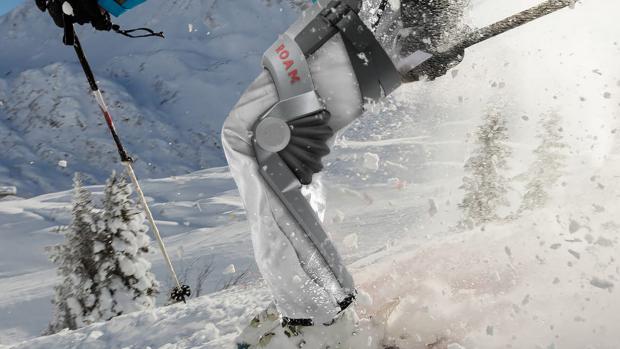
The suit has two parts, a backpack that provides power and processing, and two strap-on exoskeleton parts for the legs, intended to offer support to your knees and quads. You can use it for both skiing and snowboarding, Roam says, though this is still a prototype – the final design might look different to the pictures you see here.
Through a combination of sensors and software calculations, the exoskeleton adjusts torque at the knee to support what your legs are already doing, and the accompanying app for Android and iOS lets you adjust just how much help the exoskeleton offers. Roam says it's like having "intelligent shock absorbers" on your legs.
Roam suggests the device could help advanced skiers push through harder turns and recover from injury more quickly, while helping casual and elderly skiers stay out on the slopes for longer – the exoskeleton takes on some of the strain on the legs, meaning the usual limb fatigue or pain associated with a day's skiing takes longer to set in.