










Breaking News
 "Begin Preparing Yourself..." - Jeffrey Sachs
 The 5-Year Treasury Just Broke 5%... The Whole Curve Is Next
 ICE Denounced for Enacting 'Official Government Policy of Disappearing People'
 Google Just Told Canadian Adults: Give Us Your ID and a Selfie Or Else…And It's Starting Now!!
Top Tech News
 Tesla Model 3 killer charges from 10 to 97% in just 9 minutes
 World-first unpowered DNA computer sets speed record
 I Power 5 Buildings Off-Grid. Here's How
 The US government is pushing hard to get a working nuclear fission reactor into space by late 2028
 SpaceX Starmind AI in Space Radiator
 China Will Dominate Global Nuclear Energy Through 2035, Analyst Says
 These Absolutely Wild-Looking EVs Are Saudi Arabia's First Homegrown Cars
 BEYOND THE MOON: NASA plans a nuclear-powered fleet to push DEEPER into space
 Big Oil Backs Mazama's $135 Million Bet On Superhot Geothermal
 Quantum compass takes flight on Northrop's Lumberjack drone


Build your own first aid kit with natural remedies
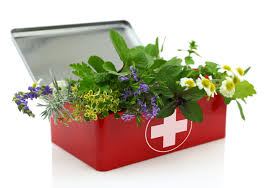
(Natural News) There is no doubt that many parts of the globe are in crisis, and to many it seems as though a natural or man-made disaster could strike in their area at any moment. While it is always important to have certain basic first aid items like Band-Aids and bandages on hand in case of emergency, there are other, more natural items that can prove to be worth their weight in gold when disaster strikes. After all, it may not always be possible to run out to a pharmacy or grocery store to purchase medical supplies.
Your natural first aid kit can be used effectively to treat a variety of conditions, including burns, cuts, Poison Ivy and other rashes, bug bites, stomach upset and diarrhea, bleeding and bruises, to name a few.
Some suggested survival kit items include:
Aloe vera: Many of us have firsthand experience of how soothing aloe vera can be for a sunburn, but this plant is also an incredibly powerful all-round natural healer for many other skin conditions. It's a good idea to keep an aloe vera plant in your home so that you can pick off a leaf and apply the gel directly to wounds, mild burns, cuts and abrasions.
Essential oils: While it's always a good idea to keep certain essential oils like lavender, peppermint, eucalyptus and lemon on hand, it's also important to do the necessary research about how each oil should be used. Certain oils must be mixed with a carrier oil, and some are so powerful that they are not suitable for use by pregnant women as they could induce miscarriage. Thyme essential oil is especially good for a sore throat or toothache. Simply mix 2 drops in 4 ounces of water. It can also be applied externally for parasitic infections, crabs and lice.
Lamb's ear plant: It's a good idea to keep one of these plants in the garden, as it has antiseptic, antibacterial and anti-inflammatory properties and can be used as a natural bandage.
Vitamin E balm: Can be used to treat diaper rash and other skin rashes quickly and inexpensively.
Echinacea tincture: The echinacea plant is a natural immune booster and antibiotic. It can keep a looming cold at bay, and according to Planet Herbs can even be used as an antidote to certain poisons.
Charcoal tablets or Bentonite clay: Planet Herbs suggests keeping these on hand for diarrhea and to assist with detoxification in the case of poisoning.