










Breaking News
 The Download: GLOBAL WAR LOOMING, GOVERNMENT AT YOUR DOOR & DOCTORS...
 Episode 495: AI'S FREE PASS, NIH FINALLY WAKES UP & CHILDHOOD DEATH BOMBSHELL
 Xi backs AI safety with Trump, draws Taiwan line, urges Iran talks
 The Israeli Lobby Boasts of Its Rule of America
Top Tech News
 Tesla Model 3 killer charges from 10 to 97% in just 9 minutes
 World-first unpowered DNA computer sets speed record
 I Power 5 Buildings Off-Grid. Here's How
 The US government is pushing hard to get a working nuclear fission reactor into space by late 2028
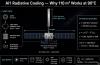 SpaceX Starmind AI in Space Radiator
 China Will Dominate Global Nuclear Energy Through 2035, Analyst Says
 These Absolutely Wild-Looking EVs Are Saudi Arabia's First Homegrown Cars
 BEYOND THE MOON: NASA plans a nuclear-powered fleet to push DEEPER into space
 Big Oil Backs Mazama's $135 Million Bet On Superhot Geothermal
 Quantum compass takes flight on Northrop's Lumberjack drone


Florida Bill Would Legally Recognize Blockchain Signatures, Smart Contracts
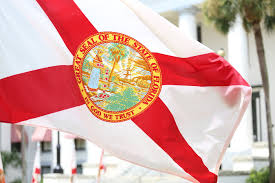
A lawmaker in Florida has introduced a bill that, if passed, would create a legal foundation for blockchain data and smart contracts in the U.S. state.
House Bill 1357 introduces multiple stipulations that blockchain ledgers and smart contracts be treated as legally-binding methods of data storage – provided that such measures do not break any pre-existing laws or regulations.
Notably, the bill states that a "record or contract that is secured through blockchain technology is in an electronic form and is an electronic record," and confirms that a signature recorded through a blockchain also qualifies as a valid electronic signature.
As a result of these qualifications, the bill outlines that, if a person uses a blockchain to secure interstate or foreign commercial ventures, it would not impact ownership rights. In other words, if someone used a blockchain ledger to store information, the bill would legally recognize that person's rights to that information.