










Breaking News
 The Download: GLOBAL WAR LOOMING, GOVERNMENT AT YOUR DOOR & DOCTORS...
 Episode 495: AI'S FREE PASS, NIH FINALLY WAKES UP & CHILDHOOD DEATH BOMBSHELL
 Xi backs AI safety with Trump, draws Taiwan line, urges Iran talks
 The Israeli Lobby Boasts of Its Rule of America
Top Tech News
 Tesla Model 3 killer charges from 10 to 97% in just 9 minutes
 World-first unpowered DNA computer sets speed record
 I Power 5 Buildings Off-Grid. Here's How
 The US government is pushing hard to get a working nuclear fission reactor into space by late 2028
 SpaceX Starmind AI in Space Radiator
 China Will Dominate Global Nuclear Energy Through 2035, Analyst Says
 These Absolutely Wild-Looking EVs Are Saudi Arabia's First Homegrown Cars
 BEYOND THE MOON: NASA plans a nuclear-powered fleet to push DEEPER into space
 Big Oil Backs Mazama's $135 Million Bet On Superhot Geothermal
 Quantum compass takes flight on Northrop's Lumberjack drone


Roundup (glyphosate) found to cause alarming changes in the gut microbiome
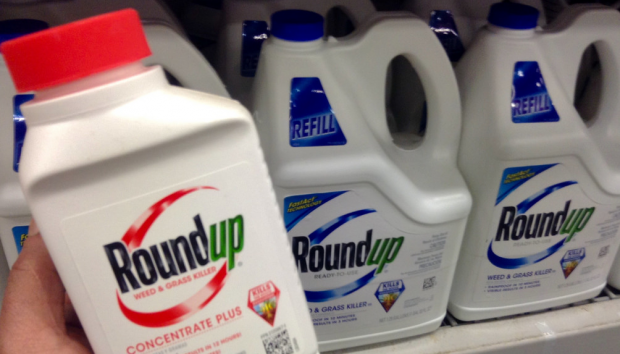
(Natural News) A new study has revealed that Roundup exposure leads to major changes in the gut microbiome of rats, and it's a finding that could have significant ramifications on human health.
This study was carried out by a team of researchers at the University of Caen in France led by Professor Gilles-Eric Seralini. Seralini is a French molecular biologist known for his groundbreaking study that linked genetically modified corn and glyphosate in Roundup to cancer. His findings were so damning that Roundup manufacturer Monsanto took action to have the study retracted, only to see it later republished elsewhere.
In his latest study, fecal samples of rats were analyzed to assess their gut microbiomes. The researchers also grew bacteria in vitro using feces taken from control animals and then treated with three concentrations of Roundup: 0.1 ppb, 400 ppm, and 5,000 ppm.
The study found a sex-specific alteration in the female rats' gut microbiomes. There was a rise in the Bacteroidetes family S24-7, while the Lactobacillae bacteria family noted a decrease. These changes were seen in all three of the Roundup doses given to the rats, which would appear to indicate that the effect is more related to the presence of Roundup in the first place than the amount administered.