










Breaking News
 The Download: GLOBAL WAR LOOMING, GOVERNMENT AT YOUR DOOR & DOCTORS...
 Episode 495: AI'S FREE PASS, NIH FINALLY WAKES UP & CHILDHOOD DEATH BOMBSHELL
 Xi backs AI safety with Trump, draws Taiwan line, urges Iran talks
 The Israeli Lobby Boasts of Its Rule of America
Top Tech News
 Tesla Model 3 killer charges from 10 to 97% in just 9 minutes
 World-first unpowered DNA computer sets speed record
 I Power 5 Buildings Off-Grid. Here's How
 The US government is pushing hard to get a working nuclear fission reactor into space by late 2028
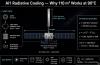 SpaceX Starmind AI in Space Radiator
 China Will Dominate Global Nuclear Energy Through 2035, Analyst Says
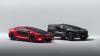 These Absolutely Wild-Looking EVs Are Saudi Arabia's First Homegrown Cars
 BEYOND THE MOON: NASA plans a nuclear-powered fleet to push DEEPER into space
 Big Oil Backs Mazama's $135 Million Bet On Superhot Geothermal
 Quantum compass takes flight on Northrop's Lumberjack drone


US Army improving the regrowth of bone, muscle and skin
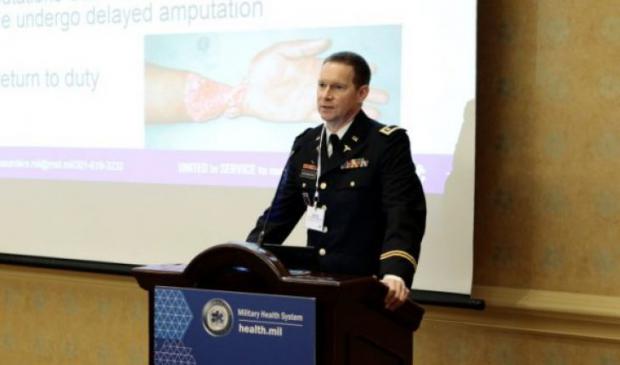
Stephanie Shiels with the U.S. Army Institute of Surgical Research, Fort Sam Houston, Texas, talked about her research to develop a synthetic bone gap filler that heals bones and reduces infection by infusing those grafts with a variety of anti-microbials.
"We know that it reduces infection," said Shiels. "Other things to consider include adding a bulking agent … to help regenerate bone."
Other research focuses on regrowing muscle lost in traumatic injuries, as well as recovering nerves, or at least preserving them, for future use. But besides treating those deep tissue wounds, there's something a bit more on the surface that can impact troops: skin. The skin is known for its regenerative properties. Research is being conducted to help it do that job better and recover scar tissue.
Jason Brant with the University of Florida has turned to a mouse to help the military reduce scarring of injured Soldiers. He said the African spiny mouse has evolved a capability to lose large parts of its skin when a predator tries to grab it, allowing the mouse to escape and live to recover.