










Breaking News
 The Download: GLOBAL WAR LOOMING, GOVERNMENT AT YOUR DOOR & DOCTORS...
 Episode 495: AI'S FREE PASS, NIH FINALLY WAKES UP & CHILDHOOD DEATH BOMBSHELL
 Xi backs AI safety with Trump, draws Taiwan line, urges Iran talks
 The Israeli Lobby Boasts of Its Rule of America
Top Tech News
 Tesla Model 3 killer charges from 10 to 97% in just 9 minutes
 World-first unpowered DNA computer sets speed record
 I Power 5 Buildings Off-Grid. Here's How
 The US government is pushing hard to get a working nuclear fission reactor into space by late 2028
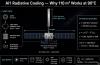 SpaceX Starmind AI in Space Radiator
 China Will Dominate Global Nuclear Energy Through 2035, Analyst Says
 These Absolutely Wild-Looking EVs Are Saudi Arabia's First Homegrown Cars
 BEYOND THE MOON: NASA plans a nuclear-powered fleet to push DEEPER into space
 Big Oil Backs Mazama's $135 Million Bet On Superhot Geothermal
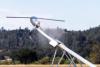 Quantum compass takes flight on Northrop's Lumberjack drone


Are exoskeletons the future of physical labor?
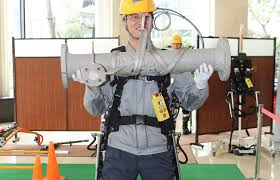
There are 3,500 people working in Ford's final assembly plant in Wayne, Michigan, where a steady stream of car husks are transformed into drivable vehicles hundreds of times a day. It's what you might imagine a car factory would be like, if you've never been to one before: it's noisy, with lots of moving parts, Hi-Lo forklifts driving by, and various audible signals playing overhead that are programmed to grab the attention of workers.
Paul Collins sticks out along the final assembly line because of the vest he's wearing. Since May of this year, Collins — who goes by "Woody" and has worked in the plant since 1995 — has been beta-testing an exoskeleton vest. He's one of four workers in the Michigan area who have been wearing the vests, which were paid for by the United Automobile Workers union, in an attempt to reduce shoulder injury.