










Breaking News
 This Audi EV Set A Guinness World Record By Driving 831 Miles Without Recharging
 How US and China can nimbly escape the Thucydides Trap
 Taiwan's 'silicon shield' is in a race against time
 Bond vigilantes on a savage hunt as global yields run wild
Top Tech News
 Tesla Model 3 killer charges from 10 to 97% in just 9 minutes
 World-first unpowered DNA computer sets speed record
 I Power 5 Buildings Off-Grid. Here's How
 The US government is pushing hard to get a working nuclear fission reactor into space by late 2028
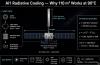 SpaceX Starmind AI in Space Radiator
 China Will Dominate Global Nuclear Energy Through 2035, Analyst Says
 These Absolutely Wild-Looking EVs Are Saudi Arabia's First Homegrown Cars
 BEYOND THE MOON: NASA plans a nuclear-powered fleet to push DEEPER into space
 Big Oil Backs Mazama's $135 Million Bet On Superhot Geothermal
 Quantum compass takes flight on Northrop's Lumberjack drone


To make space exploration easier, China will launch rockets from freighters and planes
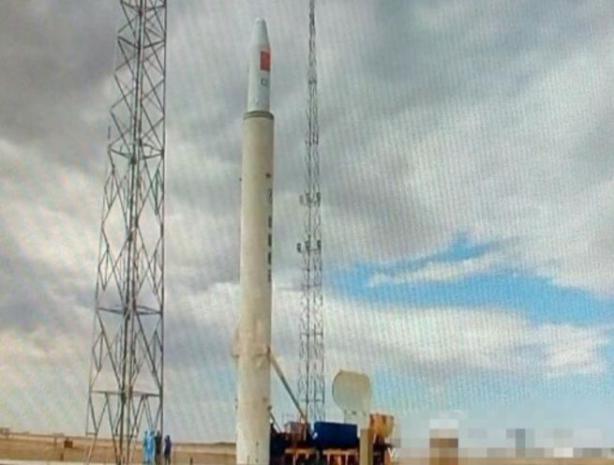
China's land-based Long March space launch rockets have been the backbone of its space program for more than 40 years. It looks like that's about to change, as the nation is making moves to launch from aircraft and ships.
Starting next year, China Aerospace Science and Technology Corporation (CASTC) will use 10,000-ton freighters as ocean-going launchpads for its Long March 11 launch rocket. The Long March 11 can carry up to 1,100 pounds into low-earth orbit. The plan is to bring the freighters to the equator, so the rockets require less fuel and can accommodate larger payloads.
Another alternative is from the air. The China Academy of Launch Vehicle Technology announced this month that they're developing a solid-fueled space launch rocket to be dropped from the Y-20. The rocket itself is expected to weigh about 60 tons (the Y-20's payload is 66 tons) and has a low Earth orbit payload of 220 pounds.