










Breaking News
 Is Big Pharma Selling Postpartum Depression to New Moms?
 Make Men Men Again: Low T Is Now a National Defense Problem
 Druski: They're Lying To You About Overnight Success!
 $6.27 Diesel Just Hit Harvest. The Grocery Aisle Hasn't Felt It Yet.
Top Tech News
 Tesla Model 3 killer charges from 10 to 97% in just 9 minutes
 World-first unpowered DNA computer sets speed record
 I Power 5 Buildings Off-Grid. Here's How
 The US government is pushing hard to get a working nuclear fission reactor into space by late 2028
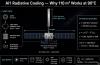 SpaceX Starmind AI in Space Radiator
 China Will Dominate Global Nuclear Energy Through 2035, Analyst Says
 These Absolutely Wild-Looking EVs Are Saudi Arabia's First Homegrown Cars
 BEYOND THE MOON: NASA plans a nuclear-powered fleet to push DEEPER into space
 Big Oil Backs Mazama's $135 Million Bet On Superhot Geothermal
 Quantum compass takes flight on Northrop's Lumberjack drone


Liftoff! SpaceX Nails Second Launch in Three Days
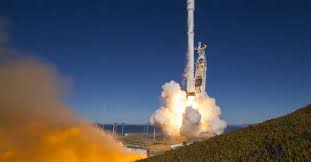
The 23-story tall booster lifted off from a fog-shrouded Pacific Coast launch pad at 1:25 p.m. local time (4:25 p.m. EDT/2025 GMT). The first stage separated as planned 2.5 minutes later, turned around and headed back toward a drone barge floating in the ocean.
Redesigned, larger grid fins, mounted near the top of the 14-story-tall first stage, helped guide the returning booster to a precision touchdown despite strong winds, marking the 13th time a SpaceX rocket has returned intact to Earth. Two of those rockets, including the one used to send Bulgaria's first communications satellite into orbit on Friday, had launched on previous missions, demonstrating the boosters' reusability.
SpaceX nailed its second launch in three days today (June 25) with liftoff of a Falcon 9 rocket from Vandenberg Air Force Base in California carrying 10 satellites owned by Iridium Communications.