










Breaking News
 Is Big Pharma Selling Postpartum Depression to New Moms?
 Make Men Men Again: Low T Is Now a National Defense Problem
 Druski: They're Lying To You About Overnight Success!
 $6.27 Diesel Just Hit Harvest. The Grocery Aisle Hasn't Felt It Yet.
Top Tech News
 Tesla Model 3 killer charges from 10 to 97% in just 9 minutes
 World-first unpowered DNA computer sets speed record
 I Power 5 Buildings Off-Grid. Here's How
 The US government is pushing hard to get a working nuclear fission reactor into space by late 2028
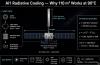 SpaceX Starmind AI in Space Radiator
 China Will Dominate Global Nuclear Energy Through 2035, Analyst Says
 These Absolutely Wild-Looking EVs Are Saudi Arabia's First Homegrown Cars
 BEYOND THE MOON: NASA plans a nuclear-powered fleet to push DEEPER into space
 Big Oil Backs Mazama's $135 Million Bet On Superhot Geothermal
 Quantum compass takes flight on Northrop's Lumberjack drone


'Game Changer': Study Finds 100-year-old Drug Reverses Autism Symptoms in Kids
The study's lead researcher, Dr. Robert Naviaux of the San Diego School of Medicine is an internationally known expert in human genetics, inborn errors of metabolism, metabolomics, and mitochondrial medicine. He is the discoverer of the cause of Alpers syndrome — the oldest Mendelian form of mitochondrial disease — and the developer of the first DNA test to diagnose it. Naviaux is, by far, one of the most qualified people in the world to conduct this study.
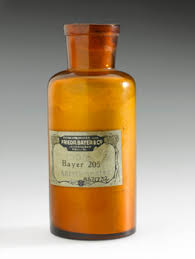
During his research, Naviaux noted the transformative results of the drug suramin which was first developed in 1916 and used as an anti-parasitic drug for treating African sleeping sickness and river blindness. After giving a single dose of suramin to boys with autism, between the ages of five and 14, Naviaux recorded something incredible — their symptoms were significantly alleviated.
"After the single dose, it was almost like a roadblock had been released," he said. "If the future studies show that there's continued health benefits, this could be a game-changer for families with autism."