










Breaking News
 Is Big Pharma Selling Postpartum Depression to New Moms?
 Make Men Men Again: Low T Is Now a National Defense Problem
 Druski: They're Lying To You About Overnight Success!
 $6.27 Diesel Just Hit Harvest. The Grocery Aisle Hasn't Felt It Yet.
Top Tech News
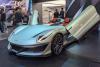 Tesla Model 3 killer charges from 10 to 97% in just 9 minutes
 World-first unpowered DNA computer sets speed record
 I Power 5 Buildings Off-Grid. Here's How
 The US government is pushing hard to get a working nuclear fission reactor into space by late 2028
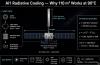 SpaceX Starmind AI in Space Radiator
 China Will Dominate Global Nuclear Energy Through 2035, Analyst Says
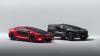 These Absolutely Wild-Looking EVs Are Saudi Arabia's First Homegrown Cars
 BEYOND THE MOON: NASA plans a nuclear-powered fleet to push DEEPER into space
 Big Oil Backs Mazama's $135 Million Bet On Superhot Geothermal
 Quantum compass takes flight on Northrop's Lumberjack drone


Folding electric fat bike promises "moar" features
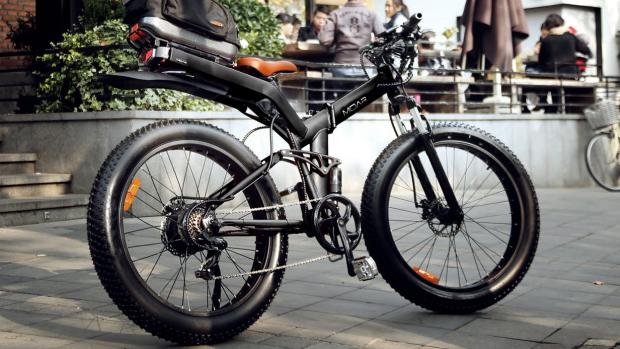
The bike greets the eye with fat tires, thickly sheathed wires and a battery compartment that shoots off the back of the seat post to double as a cargo rack. Looking more closely, its feature set includes full suspension, a 750-W electric drive and a powerful lighting system. This e-bike just packs "moar" than average, pardon the pun.
We've come to expect electric bikes in every shape and size imaginable, but we weren't expecting an on/off-road, full-suspension electric folder with 26-in wheels, fat tires and a 750-watt powertrain. But that's exactly what the Moar e-bike, which is currently the subject of a crowdfunding campaign, promises – a powerful, rugged two-wheeler built for everyone from trail-riding weekend warriors to daily city commuters.
When the non-electric fat bike first began its popularity rise from endurance competition workhorse to trendy piece of kit parked in front of every microbrewery around, it seemed to run almost exclusively without suspension – maybe something about big, spongy tires not needing to be sprung, or perhaps it was more that suspension makers weren't building components for the fat market.