










Breaking News
 Is Big Pharma Selling Postpartum Depression to New Moms?
 Make Men Men Again: Low T Is Now a National Defense Problem
 Druski: They're Lying To You About Overnight Success!
 $6.27 Diesel Just Hit Harvest. The Grocery Aisle Hasn't Felt It Yet.
Top Tech News
 Tesla Model 3 killer charges from 10 to 97% in just 9 minutes
 World-first unpowered DNA computer sets speed record
 I Power 5 Buildings Off-Grid. Here's How
 The US government is pushing hard to get a working nuclear fission reactor into space by late 2028
 SpaceX Starmind AI in Space Radiator
 China Will Dominate Global Nuclear Energy Through 2035, Analyst Says
 These Absolutely Wild-Looking EVs Are Saudi Arabia's First Homegrown Cars
 BEYOND THE MOON: NASA plans a nuclear-powered fleet to push DEEPER into space
 Big Oil Backs Mazama's $135 Million Bet On Superhot Geothermal
 Quantum compass takes flight on Northrop's Lumberjack drone


The Finesse of Flying Cassini Between Saturn's Rings
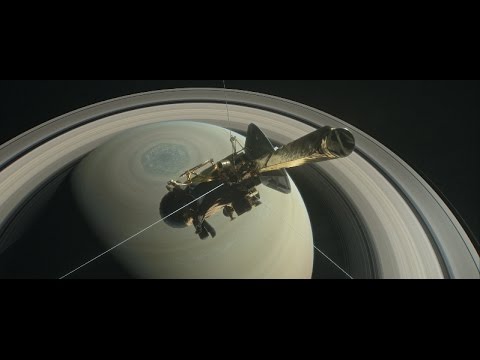
And like the first ring-crossing two weeks ago, this one required a bit of complicated piloting. Remote-controlling a robot spaceship from 750 million miles away ain't like dusting crops, as Han Solo might say. (RIP.) (Spoilers.)
Cassini's first dramatic pass through the rings of Saturn on April 26 involved some acrobatics. Step one: Get a gravity boost from the moon Titan. In fact, that's how Cassini has been moving around the system since its arrival in 2004—rather than burn precious propellant, the craft tucks into Titan's orbit and then slingshots back out again. This most recent boost was a delicate one, just 609 miles above Titan's surface and not even ten miles above the moon's wan atmosphere. Space, as we keep telling you, is hard.