










Breaking News
 Is Big Pharma Selling Postpartum Depression to New Moms?
 Make Men Men Again: Low T Is Now a National Defense Problem
 Druski: They're Lying To You About Overnight Success!
 $6.27 Diesel Just Hit Harvest. The Grocery Aisle Hasn't Felt It Yet.
Top Tech News
 Tesla Model 3 killer charges from 10 to 97% in just 9 minutes
 World-first unpowered DNA computer sets speed record
 I Power 5 Buildings Off-Grid. Here's How
 The US government is pushing hard to get a working nuclear fission reactor into space by late 2028
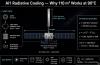 SpaceX Starmind AI in Space Radiator
 China Will Dominate Global Nuclear Energy Through 2035, Analyst Says
 These Absolutely Wild-Looking EVs Are Saudi Arabia's First Homegrown Cars
 BEYOND THE MOON: NASA plans a nuclear-powered fleet to push DEEPER into space
 Big Oil Backs Mazama's $135 Million Bet On Superhot Geothermal
 Quantum compass takes flight on Northrop's Lumberjack drone


Popular Antivirus Program Mistakenly IDs Windows as Threat, Creating Chaos

An antivirus service used by tens of thousands of businesses and millions of home users shut down an untold number of computers around the world Monday after it mistakenly identified core parts of Microsoft Windows as threats, the company confirmed.
Webroot Inc. of Broomfield, Colorado, didn't immediately respond to a request for comment. But it confirmed on its support forum for customers that it issued an updated detection rule that "identified false positives" for critical Windows operating files Monday afternoon, resulting in those files' being "quarantined" and inaccessible to Windows.
@SwiftOnSecurity, an anonymous but well-respected tech security Twitter account, reported that it appeared that the rule somehow allowed genuine "signed Microsoft files to be removed."