










Breaking News
 Is Big Pharma Selling Postpartum Depression to New Moms?
 Make Men Men Again: Low T Is Now a National Defense Problem
 Druski: They're Lying To You About Overnight Success!
 $6.27 Diesel Just Hit Harvest. The Grocery Aisle Hasn't Felt It Yet.
Top Tech News
 Tesla Model 3 killer charges from 10 to 97% in just 9 minutes
 World-first unpowered DNA computer sets speed record
 I Power 5 Buildings Off-Grid. Here's How
 The US government is pushing hard to get a working nuclear fission reactor into space by late 2028
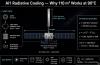 SpaceX Starmind AI in Space Radiator
 China Will Dominate Global Nuclear Energy Through 2035, Analyst Says
 These Absolutely Wild-Looking EVs Are Saudi Arabia's First Homegrown Cars
 BEYOND THE MOON: NASA plans a nuclear-powered fleet to push DEEPER into space
 Big Oil Backs Mazama's $135 Million Bet On Superhot Geothermal
 Quantum compass takes flight on Northrop's Lumberjack drone


Electric spinal stimulation helps paraplegic man regain control of legs
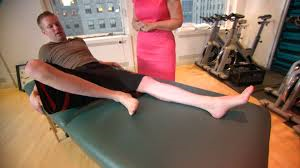
Researchers at the Mayo Clinic, in collaboration with a team from UCLA, set out to expand on previous work done at the University of Louisville that established a process by which electrical currents directed into the spine could be used to regain control of paralyzed limbs.
Jered Chinnock had an accident three years earlier that injured his back at the sixth thoracic vertebrae. Although researchers initially diagnosed him with a motor complete spinal cord injury it was suspected that dormant connections across his injury, meaning his condition could be reclassified as discomplete.
The Mayo Clinic study started with Chinnock undertaking 22 weeks of intensive physical therapy to prepare his muscles for the spinal cord stimulation.