










Breaking News
 Is Big Pharma Selling Postpartum Depression to New Moms?
 Make Men Men Again: Low T Is Now a National Defense Problem
 Druski: They're Lying To You About Overnight Success!
 $6.27 Diesel Just Hit Harvest. The Grocery Aisle Hasn't Felt It Yet.
Top Tech News
 Tesla Model 3 killer charges from 10 to 97% in just 9 minutes
 World-first unpowered DNA computer sets speed record
 I Power 5 Buildings Off-Grid. Here's How
 The US government is pushing hard to get a working nuclear fission reactor into space by late 2028
 SpaceX Starmind AI in Space Radiator
 China Will Dominate Global Nuclear Energy Through 2035, Analyst Says
 These Absolutely Wild-Looking EVs Are Saudi Arabia's First Homegrown Cars
 BEYOND THE MOON: NASA plans a nuclear-powered fleet to push DEEPER into space
 Big Oil Backs Mazama's $135 Million Bet On Superhot Geothermal
 Quantum compass takes flight on Northrop's Lumberjack drone


Why Space Companies Are Untouched By Trump's Travel Ban
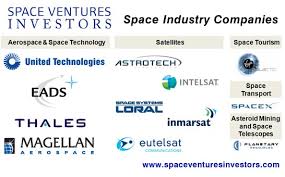
The tech industry is stressed about losing foreign workers, but the space industry never had the choice to begin with.
Because the tech sector relies so heavily on foreign talent, Silicon Valley stands to suffer from Donald Trump's executive order banning entry to the United States for nationals of seven predominantly Muslim countries. But the tech-adjacent defense and commercial spaceflight sectors have developed much differently, thanks to a regulation that all but prevents immigrants from working in those industries.
Though we often think of companies like SpaceX and Jeff Bezos's Blue Origin as "tech" companies, they operate under regulations that have been set up ostensibly to prevent foreign spies from stealing technology (like rockets) that could be used to develop weapons. The regulations are so strict that even dishwashers and line cooks in SpaceX's cafeteria and the accountants at Blue Origin must be US nationals.
"If you're dealing in ITAR, the easiest path to compliance is to just hire US citizens"
This complex regulatory scheme, called the International Traffic in Arms Regulations, are unpopular in the industry because it not only restricts who companies can hire but also prevents them from doing business with many foreign countries because rockets and satellites are considered "arms" under the regulations. Space companies are constantly pushing the State Department to regulate their products under the less strict Department of Commerce Export Administration Regulations.
ITAR was implemented as part of a 1976 law called the Arms Export Control Act and the regulations were toughened in 1999. It almost entirely restricts immigrants from working for US-based space and defense companies, based on the fear that immigrants could serve as spies for foreign governments wanting to learn how to create weapons.
This means that the commercial space and defense contractor industries will be largely unaffected by Trump's ban, because almost everyone who works in the sector is a US citizen or green card holder.