










Breaking News
 Is Big Pharma Selling Postpartum Depression to New Moms?
 Make Men Men Again: Low T Is Now a National Defense Problem
 Druski: They're Lying To You About Overnight Success!
 $6.27 Diesel Just Hit Harvest. The Grocery Aisle Hasn't Felt It Yet.
Top Tech News
 Tesla Model 3 killer charges from 10 to 97% in just 9 minutes
 World-first unpowered DNA computer sets speed record
 I Power 5 Buildings Off-Grid. Here's How
 The US government is pushing hard to get a working nuclear fission reactor into space by late 2028
 SpaceX Starmind AI in Space Radiator
 China Will Dominate Global Nuclear Energy Through 2035, Analyst Says
 These Absolutely Wild-Looking EVs Are Saudi Arabia's First Homegrown Cars
 BEYOND THE MOON: NASA plans a nuclear-powered fleet to push DEEPER into space
 Big Oil Backs Mazama's $135 Million Bet On Superhot Geothermal
 Quantum compass takes flight on Northrop's Lumberjack drone


Private Lunar Landings Are Coming, and They're Like Nothing You've Seen Before
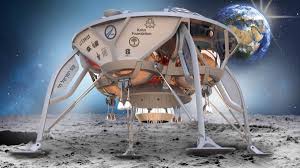
The race to become the first private entity to land a robot on the Moon is heating up, as five teams close in on the Google Lunar XPrize. The final heat of candidates were winnowed down from dozens of contenders that couldn't clear hurdles or meet deadlines for the prize, which included designing and building original spacecraft, meeting flight regulations, and securing a launch contract scheduled to blast off by the end of 2017.
The last groups standing were announced on Tuesday: They are (drum roll) Moon Express, SpaceIL, Team Indus, Hakuto, and Synergy Moon. All five teams are tentatively on track for launches this year.
Established in 2007 by the nonprofit XPrize organization, the Google-sponsored Lunar XPrize is an open challenge to create a robot that can voyage to the Moon, travel at least 500 meters on its surface, and send high-resolution visuals back to Earth. A total of $30 million in prize money is at stake, two thirds of which will be awarded to the first team to successfully meet the contest's requirements.