










Breaking News
 Is Big Pharma Selling Postpartum Depression to New Moms?
 Make Men Men Again: Low T Is Now a National Defense Problem
 Druski: They're Lying To You About Overnight Success!
 $6.27 Diesel Just Hit Harvest. The Grocery Aisle Hasn't Felt It Yet.
Top Tech News
 Tesla Model 3 killer charges from 10 to 97% in just 9 minutes
 World-first unpowered DNA computer sets speed record
 I Power 5 Buildings Off-Grid. Here's How
 The US government is pushing hard to get a working nuclear fission reactor into space by late 2028
 SpaceX Starmind AI in Space Radiator
 China Will Dominate Global Nuclear Energy Through 2035, Analyst Says
 These Absolutely Wild-Looking EVs Are Saudi Arabia's First Homegrown Cars
 BEYOND THE MOON: NASA plans a nuclear-powered fleet to push DEEPER into space
 Big Oil Backs Mazama's $135 Million Bet On Superhot Geothermal
 Quantum compass takes flight on Northrop's Lumberjack drone


Near term off-grid electrification for 1.2 billion people
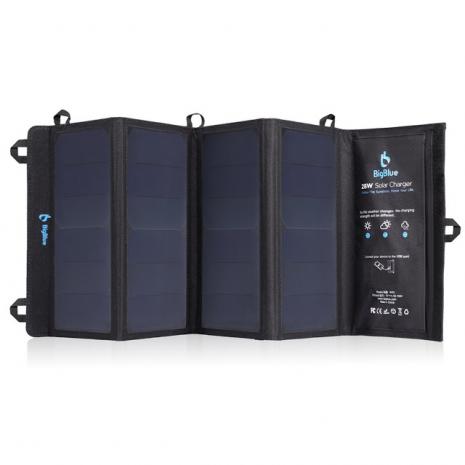
Offgrid solar, batteries and LED lighting will be circumventing this bottleneck. Although there is still distribution, delivery and retail availability issues in undeveloped rural areas. Drone delivery could surmount the problem of no roads or bad roads to get around the delivery issues. Getting electricity and cheap smartphones will enable poor people to have basic internet access.
Access to energy, especially modern sources, is a key to any development initiative The use of both traditional (biomass energy burned in conventional stoves) and modern (electricity and kerosene) sources improves household consumption and income, the return on modern sources is 20 to 25 times higher than that on traditional sources. The international community has long been aware of the close correlation between income levels and access to modern energy: not surprisingly, countries with a large proportion of the population living on an income of less than $2 per day tend to have low electrification rates and a high proportion of the population relying on the traditional use of biomass for cooking