










Breaking News
 Is Big Pharma Selling Postpartum Depression to New Moms?
 Make Men Men Again: Low T Is Now a National Defense Problem
 Druski: They're Lying To You About Overnight Success!
 $6.27 Diesel Just Hit Harvest. The Grocery Aisle Hasn't Felt It Yet.
Top Tech News
 Tesla Model 3 killer charges from 10 to 97% in just 9 minutes
 World-first unpowered DNA computer sets speed record
 I Power 5 Buildings Off-Grid. Here's How
 The US government is pushing hard to get a working nuclear fission reactor into space by late 2028
 SpaceX Starmind AI in Space Radiator
 China Will Dominate Global Nuclear Energy Through 2035, Analyst Says
 These Absolutely Wild-Looking EVs Are Saudi Arabia's First Homegrown Cars
 BEYOND THE MOON: NASA plans a nuclear-powered fleet to push DEEPER into space
 Big Oil Backs Mazama's $135 Million Bet On Superhot Geothermal
 Quantum compass takes flight on Northrop's Lumberjack drone


This Little Silver Cube Could Be the Future of Personal DNA Testing
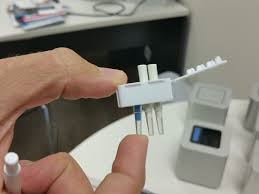
Aside from the logo of Spartan Bioscience, the Canadian company behind it, there's nothing much that tells you what it can do. But this unassuming device holds within it a bona fide revolution—at least, according to the medical doctor behind its design.
Or, if you're a cynic, it's a Pandora's box.
I recently drove out to the Ottawa suburbs to pay a visit to the offices of Paul Lem, founder and CEO of Spartan Bioscience, and his team of over 70 bright-young-things. Lem says the Spartan Cube can perform a range of diagnostics, including infectious disease and genetics tests, quicker, and more cheaply, than many other DNA testing machines.