










Breaking News
 Is Big Pharma Selling Postpartum Depression to New Moms?
 Make Men Men Again: Low T Is Now a National Defense Problem
 Druski: They're Lying To You About Overnight Success!
 $6.27 Diesel Just Hit Harvest. The Grocery Aisle Hasn't Felt It Yet.
Top Tech News
 Tesla Model 3 killer charges from 10 to 97% in just 9 minutes
 World-first unpowered DNA computer sets speed record
 I Power 5 Buildings Off-Grid. Here's How
 The US government is pushing hard to get a working nuclear fission reactor into space by late 2028
 SpaceX Starmind AI in Space Radiator
 China Will Dominate Global Nuclear Energy Through 2035, Analyst Says
 These Absolutely Wild-Looking EVs Are Saudi Arabia's First Homegrown Cars
 BEYOND THE MOON: NASA plans a nuclear-powered fleet to push DEEPER into space
 Big Oil Backs Mazama's $135 Million Bet On Superhot Geothermal
 Quantum compass takes flight on Northrop's Lumberjack drone


The Fastest Ship in the US Navy: Boeing Pegasus-Class Hydrofoils (720p)
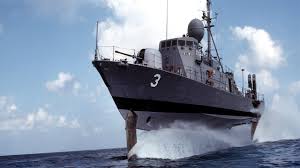
This video depicts some of the Boeing-built hydrofoils named after Tucumcari, New Mexico, it was the basis for the technology used in the subsequent Pegasus-class patrol boats and the Jetfoil ferries. Its unique feature was a waterjet propulsion and a computer-controlled fully submerged foil configuration of one foil at the bow and foils on the port and starboard sides. The Tucumcari was one of two prototype boats contracted by the Navy for the purpose of evaluating the latest hydrofoil technology with a top speed of 50 knots. The second boat was the rival Grumman built USS Flagstaff (PGH-1).