










Breaking News
 Is Big Pharma Selling Postpartum Depression to New Moms?
 Make Men Men Again: Low T Is Now a National Defense Problem
 Druski: They're Lying To You About Overnight Success!
 $6.27 Diesel Just Hit Harvest. The Grocery Aisle Hasn't Felt It Yet.
Top Tech News
 Tesla Model 3 killer charges from 10 to 97% in just 9 minutes
 World-first unpowered DNA computer sets speed record
 I Power 5 Buildings Off-Grid. Here's How
 The US government is pushing hard to get a working nuclear fission reactor into space by late 2028
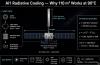 SpaceX Starmind AI in Space Radiator
 China Will Dominate Global Nuclear Energy Through 2035, Analyst Says
 These Absolutely Wild-Looking EVs Are Saudi Arabia's First Homegrown Cars
 BEYOND THE MOON: NASA plans a nuclear-powered fleet to push DEEPER into space
 Big Oil Backs Mazama's $135 Million Bet On Superhot Geothermal
 Quantum compass takes flight on Northrop's Lumberjack drone


Nanoparticle-Coated Textiles Clean Themselves With Sunlight

Washing a garment after just one of two wears is a drag, and it uses a lot of water. Laundering clothes accounts for 22 percent of the water used in a typical residential home. So over the past few years scientists have been looking for a way to make clothes that wash themselves, especially by coating the fabric with nanoparticles. These coated fabrics could also be used in industrial processes to separate oil and water, to detect the presence of different, important, or dangerous gases, or even to ward off bacteria in hospital garments. Now researchers from RMIT University in Melbourne, Australia have created a nanoparticle coating that quickly eliminates dirt or stains when exposed to visible light. A study of the researchers' work is published today in an issue of Advanced Materials Interfaces.