










Breaking News
 Is Big Pharma Selling Postpartum Depression to New Moms?
 Make Men Men Again: Low T Is Now a National Defense Problem
 Druski: They're Lying To You About Overnight Success!
 $6.27 Diesel Just Hit Harvest. The Grocery Aisle Hasn't Felt It Yet.
Top Tech News
 Tesla Model 3 killer charges from 10 to 97% in just 9 minutes
 World-first unpowered DNA computer sets speed record
 I Power 5 Buildings Off-Grid. Here's How
 The US government is pushing hard to get a working nuclear fission reactor into space by late 2028
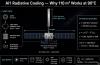 SpaceX Starmind AI in Space Radiator
 China Will Dominate Global Nuclear Energy Through 2035, Analyst Says
 These Absolutely Wild-Looking EVs Are Saudi Arabia's First Homegrown Cars
 BEYOND THE MOON: NASA plans a nuclear-powered fleet to push DEEPER into space
 Big Oil Backs Mazama's $135 Million Bet On Superhot Geothermal
 Quantum compass takes flight on Northrop's Lumberjack drone


This Plastic Can Repair Itself
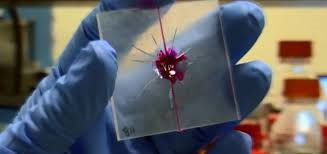
Forty years ago, plastic surpassed steel as the most widely used material in the world. Sure, the affordable and malleable polymers have brought plenty of convenience to modern life (Tupperware! Teflon! Velcro!) as well as taking on more-vital roles, in airplanes, cars, and smartphones. There's a catch, however: Unlike many of the metals it replaces, plastic is really hard to fix; even invisible fractures can compromise its strength. A new class of smart plastics can heal breaches all on their own, to mend cracked phone screens or stitch up airplane wings.
Nancy Sottos helped pioneer this field in the '90s. Her team at the University of Illinois at Urbana-Champaign has developed composites that can repair themselves using a range of methods.