





Breaking News
 Gold Down, Silver Down: No Reason To Panic
 Separating Healthcare and the State
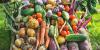 Food Freedom Is Economic Freedom
 Residents of Texas Town Successfully Force a Recall of Their Mayor and Three Council Members...
Top Tech News
 Extraterrestrial habitats may rise via Legos of laser-fused moon dust
 Battery-only 19-seater puts China in the electric airliner race
 Dream Chaser space plane gets landing approval for debut mission in 2027
 SpaceX Just Caught Starship on Its FIRST Attempt!
 Solid-State Cells Can Make The U.S. Competitive In Batteries Again: CEO
 Jetson ONE personal eVTOL pod is about to go full sky patrol
 America's INSANE BREAKTHROUGH Could Replace Septic Tanks Forever
 Amazing DIY Building Material for Home & Yard - Inexpensive and Easy!
 Researchers have discovered a massive deposit of hidden water...
 Amazon's Ring Unveils Flying Drone And Robot To Patrol Homes And Businesses



Food Freedom Is Economic Freedom
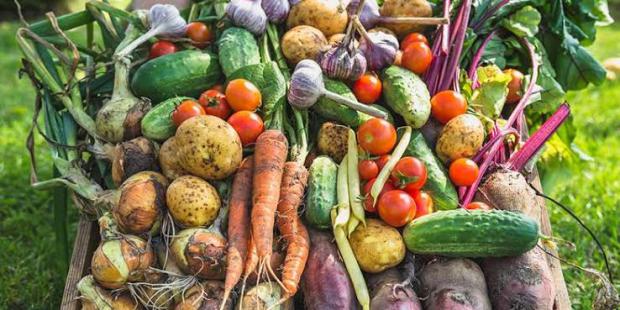
The cows are waiting at the gate. The farmer is pouring the day's milk into glass bottles for people who drove out of their way to buy it, people who chose him and chose this milk on purpose. Then the trucks arrive—armed agents, a warrant. The bottles are seized. The farmer is treated like a criminal for selling milk to his neighbors.
It happened in America. It keeps happening in America. The question is why, and the answer is who benefits.
It Is Not About Safety
Every time a state cracks down on a raw milk farmer, a home baker, or a cottage food seller, the justification is always the same: public health, consumer protection, food safety. These are the magic words that turn any act of government force into a virtue. Nobody ever holds a press conference and says, "We raided this farm to protect the market share of the local dairy conglomerate." But that is what is happening, and I think most people can smell it by now.
Look at what food safety regulation actually does to the structure of a market. It raises the cost of entry. If you must operate out of a certified commercial kitchen, carry a five-figure insurance policy, submit to inspections, and register with three different agencies before you can sell a loaf of bread, then only one kind of person can sell bread: the kind with capital. The regulations write the small producer out of the market and leave the big one standing alone. Then the big one lobbies for more of the same, because it already paid the toll.
That is not public health policy. That is economic protectionism for incumbents, enforced with badges.
The pattern is old. Licensing regimes have always been the incumbent's favorite weapon. When you cannot outcompete the farmer down the road, you make it illegal for him to sell his milk. When you cannot outsell the woman baking bread from her own kitchen, you demand she operate out of a commercial facility she cannot afford, wrap it in the language of safety, and anyone who objects sounds like they want children to get sick.
The Scene Keeps Repeating
Consider the raw milk raids. On January 4, 2024, Pennsylvania agriculture officials executed a search warrant on Amos Miller's organic farm in Lancaster County, state troopers standing by as security, after two states traced E. coli and listeria illnesses in children to the farm's raw dairy. His crime was selling unpasteurized milk to willing buyers through a private buying club.
Ask who is threatened by that transaction. Not the buyer, who sought the milk out. Not the farmer, who earned an honest living. The threatened party is the dairy incumbent who does not want consumers asking whether they might prefer milk from a farm they can see to milk from a supply chain they cannot. The incumbent cannot stop that question by answering it so it stops it by criminalizing the alternative.