










Breaking News
 Brace Yourselves: Serious Trouble Brewing In The Data Center Industry
 Modular phone promises total privacy at the flick of a switch
 THE O'LEARY PLAN TO TAKE THOUSANDS OF ACRES FOR WATER RIGHTS.
 It's Starting: The Fall of Europe
Top Tech News
 Genetically Engineered War Dogs for 134 Pound Cyborg Dire Wolves Now – Later 600 Pound Wolves
 They're Quietly REPLACING Our Food With THIS… And Nobody Is Talking About It!
 Chicago Opens First "Teacher-Free" AI School as Global Push Accelerates
 Solar Panels Are Doing Something Nobody Expected
 DeLorean climbs skyward to race electric flying cars
 Atari's 800XL returns with a keyboard, cartridges and BASIC
 Bioinspired robot airdrops into remote waters via morphing wing-sail
 Anduril interceptor adapts to emerging threats via swappable stages
 I Built a Website to Expose Solar and Battery Scams
 Whistleblower Issues Dire Warning: Rogue AI, Hacking Nuclear Programs...



Modular phone promises total privacy at the flick of a switch
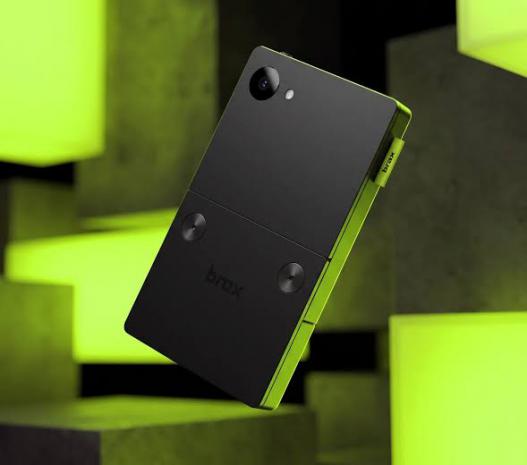
The Brax Wink features a BlackBerry-style design with the front split between a 4-inch display and a full physical keyboard. That bottom half can be swapped out for an extra battery.
The phone runs on a de-Googled version of Android called BraxOS. That means it has the same foundation as the popular OS, but you won't require a Google account to use it, and your phone activity won't be tracked for collecting analytics and delivering ads. It's open source, so anyone can audit it on GitHub.
That's not all: a physical switch on the side of the phone lets you turn off the mobile network, microphones, camera, location, sensors, and more for the whole device.
Brax also operates an end-to-end encrypted calling and texting service exclusively for its devices; the company says no-one will be able to access the contents of your communication through this channel. If you need it, there's a data-only mode that blocks calls and texts, and only allows VoIP calls and messaging services through.
The Wink can also wipe your data when a specific condition is met. That could be the use of a duress password, one too many failed unlock attempts, or simply every time the device is restarted.
With this sort of feature set, the Wink will likely attract people who value control over their data and who gets to see it.
It might also interest people who want a simple, compact phone with a nice keyboard and a utilitarian design. The keys look like they'll offer decent tactile feedback as you type, and you can also swipe across them to scroll through on-screen content.
Beyond that, this is a mid-tier handset at best. It'll get the new octa-core MediaTek MT8875 chip, 8-GB RAM, 128-GB onboard storage, support for an additional 1 TB with its microSD card slot, a 4-inch OLED touchscreen, a 3.5-mm audio jack, a single 50-megapixel rear camera, and software updates until 2032.
There's no front camera or a fingerprint sensor, so you'll miss the ability to make video calls, and you'll need a password or PIN to unlock your phone every time.
Also worth noting: the phone is a bit thicker than most other mainstream models at 10 mm. We don't yet know what it'll weigh, and what kind of battery life you can expect. The modular battery accessory hasn't been specced either, and isn't available to pre-order with the phone right away.