










Breaking News
 FT: Saudis Quit mBridge as BRICS Start to Fray
 Grand Theft World Podcast 305 | The Responders with guests John Kirby
 Bombshell just dropped...
  War Watch: The Storm Cone
Top Tech News
 BEYOND THE MOON: NASA plans a nuclear-powered fleet to push DEEPER into space
 Big Oil Backs Mazama's $135 Million Bet On Superhot Geothermal
 Quantum compass takes flight on Northrop's Lumberjack drone
 Terrifying AI Behavior Even Its Creators Couldn't Explain
 WW3 Near-Miss? AI Hallucinated Nuclear Weapons Components Aboard Chinese Vessel Bound For Iran
 Stripe Is Building the Toll Road for the Machine Economy
 Toyota Dakar hopeful swaps twin-turbo V6 for hydrogen fuel cells
 4-min turbo-inflatable cubic camp castle is now available in the USA
 Researchers Used Claude To Hack OpenAI Employee Accounts
 Chinese Scientists Develop New Oil Refining Method That Cuts Energy Use by 90%



Mao's 'Great Leap': Mass Starvation on The Road to Serfdom
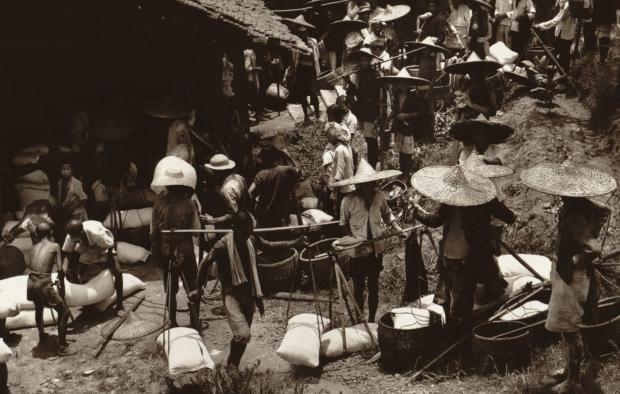
Despite a long history of civil strife, conflict brought by foreign powers, and countless natural disasters, the worst of China's sufferings were self-inflicted wounds. Mao's regime took power in October of 1949, and he unleashed too many horrors to capture in a brief essay. The policies of his poorly named Great Leap Forward led directly to the deaths of 36 million people. The long shadow of its horrors still haunts the Chinese economy and culture.
Five years prior to Mao's assumption of national power, Austrian economist Friedrich von Hayek published The Road to Serfdom. In it, he observed, "Whoever has sole control of the means must also determine which ends are to be served…in short, what men should believe and strive for." Once property is centrally controlled, that is, the goals of men are made subject to the goals of the owner. In the Chinese case, Mao's goals were for steel and industrial production to exceed that of the West. At the outset of the Great Leap, he demanded "more, faster, better, cheaper" manufacturing.