










Breaking News
 Spain Mass Amnesty Has French Nationalists Calling For An End To Free Movement Of Non-EU...
 Eurosceptic Radev Wins Absolute Majority In Bulgarian Election
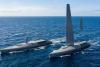 The silent submarine hunter that could reshape future naval warfare
 The world's first AI art museum opening in USA - with 'Infinity room', 'machine hall
Top Tech News
 Researchers Turn Car Battery Acid and Plastic Waste into Clean Hydrogen and New Plastic
 'Spin-flip' system pushes solar cell energy conversion efficiency past 100%
 A Startup Has Been Quietly Pitching Cloned Human Bodies to Transfer Your Brain Into
 DEYE 215kWh LiFePO4 + 125,000W Inverter + 200,000W MPPT = Run A Factory Offgrid!!
 China's Unitree Unveils Robot With "Human-Like Physique" That Can Outrun Most People
 This $200 Black Shaft Air Conditions Your Home For Free Forever -- Why Is It Banned in the U.S.?
 Engineers have developed a material capable of self-repairing more than 1,000 times,...
 They bypassed the eye entirely.
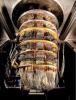 The Most Dangerous Race on Earth Isn't Nuclear - It's Quantum.
 This Plasma Stove Cooks Hotter Than The Sun


Japan's Takaichi chooses guns over butter -- at her peril
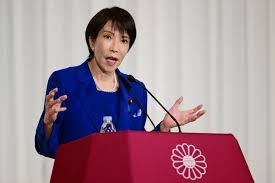
One reason many economists were disappointed with Sanae Takaichi's selection as Japanese prime minister last October was concern that economic policy isn't really her thing.
Sure, the long-time Liberal Democratic Party lawmaker assumed the position of a reformer. She talked of tax cuts, reducing living costs and reviving the supply-side upgrade strategy championed by her mentor, Shinzo Abe.
Economists, it now seems clear, were right as the Iran war has Takaichi running back to her real passion: changing Japan's constitution.
One could argue it's a defensible pivot as US President Donald Trump upends the global order by starting at least one war. And as Trump redeploys missile systems from Japan and South Korea to the Middle East and grows ever more erratic on the world stage, Takaichi has reason to wonder if the US still has Tokyo's back.
Hence, Takaichi is increasingly focusing on freeing Tokyo from the yoke of the US-written 1947 constitution, which bars it from fielding a conventional military, and ramping up military spending.
This week, she took another step toward boosting Japan's military profile by positioning the nation as a major player in the global defense market. The LDP removed most curbs on weapons exports, allowing Tokyo to sell arms overseas for the first time since World War II. The move is also aimed at strengthening its defense industrial base.
The pivot is not without economic merit. Just last week, Tokyo and Canberra inked a deal for the first three of 11 advanced Japanese warships to be delivered to the Royal Australian Navy.
It's a boon for the lead contractor on the deal, Mitsubishi Heavy Industries, and employment in Japan's domestic manufacturing industry. The initial three Mogami-class frigates will be constructed in Japan with a budget of between US$10.5 billion and $13.2 billion. Many tech goods and circuitry are integrated into today's military hardware, spreading the economic benefits.
Still, the real mandate that Takaichi's LDP has received from voters since 2012 is bold structural reform, not just a fresh wave of corporate profits that won't necessarily fatten paychecks. This is something for which Takaichi is likely to have very little time now that she's gunning to amend Japan's pacifist constitution — just like the late Abe before her.
Takaichi hasn't specified which provisions she intends to revise. Odds are, the most likely — and most contentious — target is Article 9. It renounces war and bars Tokyo from using force in international disputes. The LDP has also proposed other amendments, including expanded emergency powers, education reforms and changes to electoral districts.