










Breaking News
 No Benefits: Why Most Americans Hate The Idea Of AI Data Centers
 Are America's Youth Really Embracing Socialism?
 Are We About to See a Foreclosure WAVE Hit the US Housing Market?
 They Rolled Out the Relics - Then Cut the Working-Lands Money
Top Tech News
 World's smallest CT scanner fits in the palm of your hand
 The Tesla Roadster will blow people's minds
 Peter Thiel-Funded Company Anduril to Triple the Number of Autonomous Surveillance Towers...
 Quantum computing may soon become part of the microscope itself.
 Volkswagen Just Unveiled The Most Efficient EV Ever Tested
 NASA Super Light Solar Sail Project Will Be 12-40 Times Lighter and Faster
 Space Telescope Interferometer to Image Exoplanet Continents
 Twenty-five years of "temporary": how 9/11 built a surveillance state Americans never vote
 I'll Never Buy Another WALMART Battery!
 Shoei GT-Air 3 Smart helmet drops with built-in AR for $1,500



The Ultimate Guide to Hyperadobe Earthbag Building
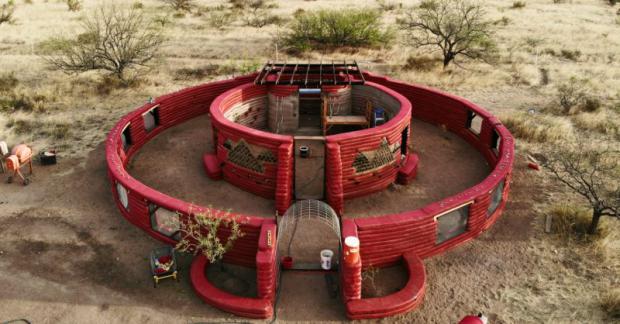
Since hyperadobe is so new, there's not a lot of information out there. We've been furiously experimenting the last 4 years with it, building a solar shed office, a large outdoor chicken garden, a small composting toilet outhouse, and have taken everything we've learned from those projects to design a huge 2,500 square foot roundhouse for our family - all while documenting every step here on our YouTube channel.
So today, we're going to do our best to condense all that knowledge - the pros and cons, wins and losses, and all the tips and tricks we've learned along the way into a single video so that you'll be fully armed to go build your own hyperadobe dream home. Plus at the end of this article we'll share some ways we can help with your specific project if you need it. Let's get started.
Sections
1. History
2. Benefits
4. Tools
5. Bag Types
6. Bag Sizing
8. How To Lay, Fill & Tamp Hyperadobe
10. Windows & Doors
13. Questions?
History
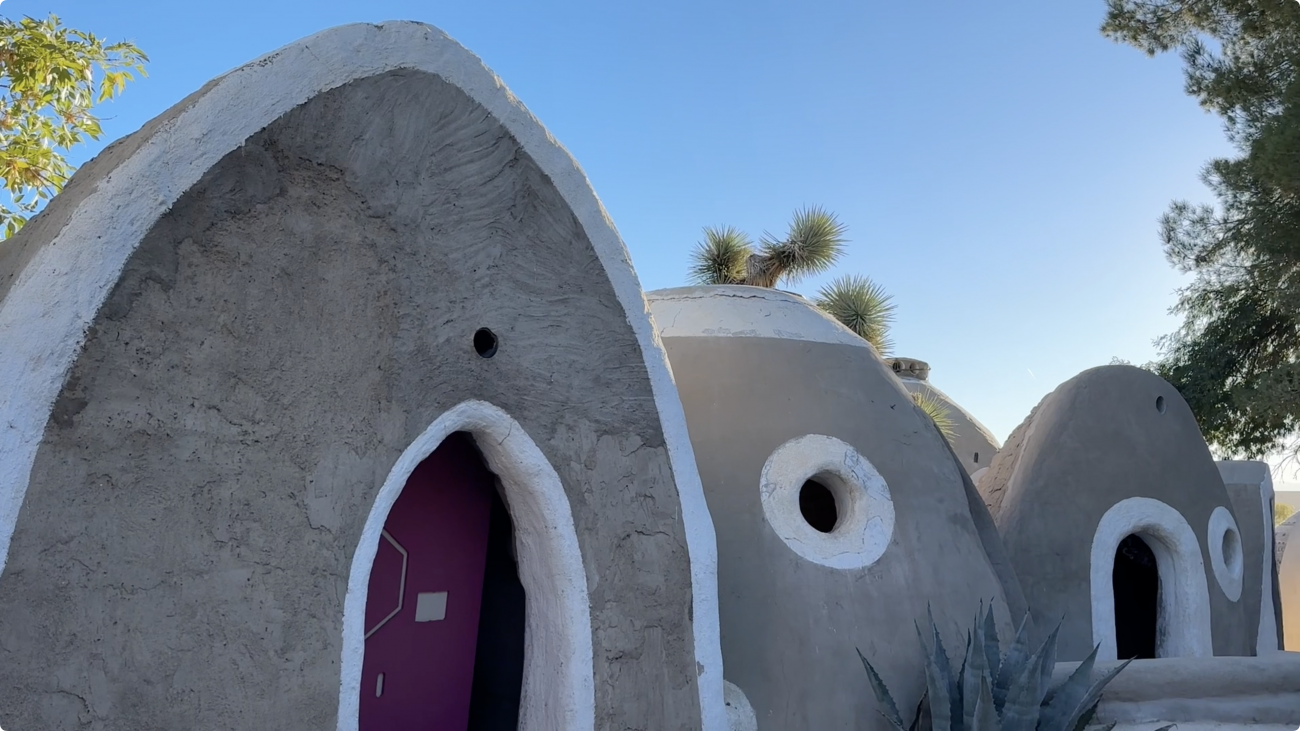
We're not going to get too deep here, but it's important to know when, where, and why these building techniques came to be. Stacking bags of dirt has been around over 100 years. The military used them for flood control and bunkers because they were cheap, built quickly on site, and could even stop a bullet.